
Digital Tip Pooling: How Modern Restaurants Handle Gratuities
Tip distribution creates more workplace conflict than almost any other restaurant management issue. Manual tip pooling involves complex calculations, disputed divisions, and frequent errors. Digital tip pooling systems integrate with POS platforms to automatically calculate, track, and distribute tips based on customizable rules, eliminating errors and ensuring compliance with labor laws.
Modern tip pooling platforms handle credit card tips, cash tips, tip-outs to support staff, and automated payroll integration. The result is transparent, accurate, and legally compliant tip distribution that reduces management time by 5-10 hours weekly while improving staff satisfaction.
The Problems with Manual Tip Pooling
 Manual tip pooling requires extensive calculations and creates frequent disputes
Manual tip pooling at the end of each shift involves collecting cash and credit card tips, calculating percentages or points, and distributing shares to all staff. For a busy restaurant with 15 staff members and complex tip-out rules, this process takes 30-45 minutes per shift - about 15-20 hours monthly.
Calculation errors are common, especially late at night after exhausting shifts. A manager miscalculating the tip pool by $40 might not seem significant until you realize this happens multiple times weekly, costing $500-$1,000 monthly in disputes and corrections.
Cash handling creates theft opportunities. When hundreds of dollars in cash tips pass through multiple hands with manual recording, money disappears. Staff suspect each other, management lacks documentation to investigate, and workplace morale suffers.
Disputes over tip fairness plague manual systems. Servers claim they worked harder than colleagues or that tip-out percentages are unfair. Without transparent records showing exactly how tips were calculated and distributed, resolving these conflicts becomes he-said-she-said arguments.
Labor law compliance is difficult with manual tip pooling. The FLSA (Fair Labor Standards Act) prohibits managers from participating in tip pools and restricts which positions can receive tipped wages. Manual systems lack the tracking needed to prove compliance during audits.
How Digital Tip Pooling Systems Work
 Automated systems calculate and track tip distribution based on configurable rules
Digital tip pooling systems integrate with your POS to automatically capture all tips - both cash and credit card. At shift end, the system calculates shares based on rules you configure (points, percentages, hours worked, or role-based formulas) and generates distribution reports showing exactly what each person receives.
Credit card tips flow directly through the system with no manual entry required. When a server processes a $100 check with a $20 tip, that $20 enters the tip pool automatically. Cash tips require manual input but the system tracks who entered what, creating an audit trail.
Point-based systems assign values to different roles. Servers might earn 1.0 points per hour, bartenders 1.0 points, bussers 0.5 points, and hosts 0.3 points. The total tip pool divides by total points earned, with each person receiving payment proportional to their points.
Percentage-based systems allocate shares based on individual sales. If a server generated 30% of total sales, they receive 30% of the tip pool. Tip-outs to support staff (bussers, hosts, bartenders) calculate as percentages of server tips.
Hour-weighted distribution considers time worked. A server working a 6-hour shift receives more than one working 3 hours, even if both are eligible for the pool. This prevents early-departure staff from earning the same as those who stay through closing.
Top Digital Tip Pooling Platforms
 Leading platforms offer different features for various restaurant types and complexity levels
Kickfin leads in ease of use and instant tip distribution. Servers receive tips via direct deposit within hours rather than waiting for paychecks. The mobile app provides transparency showing exactly how tips were calculated. Integration with major POS systems and payroll platforms makes implementation straightforward. Pricing is $5 per employee per month.
Tiphaus specializes in complex tip pooling scenarios with highly customizable rule engines. Configure different pools for lunch vs dinner, apply role-specific multipliers, and handle tip-outs to back-of-house where legally allowed. Strong compliance features ensure adherence to state and federal regulations. Pricing starts at $99 monthly plus $3 per employee.
7shifts includes tip pooling as part of its comprehensive employee management platform. Beyond tips, it handles scheduling, time tracking, and team communication. The integrated approach means less software to manage, though the tip features are less sophisticated than specialized platforms. Plans start at $29.99 monthly per location.
Tipsee focuses on tip transparency and employee engagement. Staff can view their tip earnings in real-time through mobile apps, see how busy shifts compare to slow ones, and access earning history. The platform emphasizes fairness and visibility to reduce disputes. Pricing is $4 per employee monthly.
Tip Distribution (built into several POS systems including Toast and Square) provides basic automated tip pooling without separate software costs. Capabilities are more limited than specialized platforms, but the seamless POS integration eliminates separate setup. Included with POS subscriptions.
Setting Up Fair and Compliant Tip Pools
 Careful setup of tip pool rules ensures fairness and legal compliance
Start by understanding your state and local tip pooling regulations. Federal law prohibits managers and supervisors from receiving tips, but states vary on whether back-of-house staff can participate in pools. California, Massachusetts, and Oregon have particularly strict rules. Consult with employment attorneys or research your jurisdiction's regulations before finalizing policies.
Decide on your pooling method based on restaurant type and philosophy:
Full pooling: All tips combine into one pool divided among all eligible staff. Creates team mentality but can frustrate high-performing servers who feel they subsidize weaker colleagues.
Partial pooling with tip-outs: Servers keep most tips but contribute percentages to support staff (typically 10-20% to bussers, 5-10% to hosts, 10-15% to bartenders). Maintains individual incentives while recognizing support contributions.
Sales-based distribution: Each server's pool share reflects their sales proportion. High-sellers earn more while still contributing to team members who support their sales.
Points system: Different roles earn different point values based on skill and responsibility. Provides flexibility to reward specialized positions differently.
Document your tip pooling policy clearly in employee handbooks. Specify which positions participate, how pools are calculated, when distribution occurs, and how disputes are resolved. Have all employees sign acknowledgment forms.
Communicate the system transparently. Staff should understand exactly how their tips are calculated. Digital platforms help by providing detailed breakdowns accessible through mobile apps. Transparency reduces suspicion and builds trust.
Automated Tip Distribution and Payroll Integration
 Integration with payroll systems automates tip reporting and tax withholding
Payroll integration is essential for compliance and efficiency. Digital tip platforms connect with payroll providers (ADP, Gusto, Paychex, QuickBooks) to automatically report tip income. This ensures proper tax withholding and eliminates manual entry of tip earnings into payroll systems.
Automated reporting prevents the common problem of unreported tips. The IRS requires employees to report all tip income, and employers must ensure withholding on reported tips. Digital systems create permanent records satisfying IRS requirements and protecting restaurants during audits.
Instant pay options through platforms like Kickfin or Branch allow employees to access earned tips immediately rather than waiting for paychecks. This improves cash flow for workers who depend on tip income for daily expenses. The convenience is a strong recruiting and retention tool.
Credit card tip payout timing varies by system. Some restaurants distribute credit card tips with paychecks, others via instant payment platforms, and some through end-of-shift cash equivalent. Digital platforms support all these approaches while maintaining accurate records.
Service charges and auto-gratuities require special handling. Some jurisdictions classify automatic gratuities as service charges (wages) rather than tips, changing tax treatment and pooling eligibility. Quality platforms flag these transactions and handle them according to your jurisdiction's rules.
Transparency and Dispute Resolution
 Mobile access to detailed tip records reduces disputes and builds trust
Transparency is digital tip pooling's biggest benefit. Employees can view exactly how their tips were calculated, see the total pool, understand point distributions, and verify that calculations followed stated policies. This visibility eliminates most disputes before they start.
Mobile apps put tip information in employees' hands. After each shift, staff can review their earnings, see pool totals, and access historical data. This self-service approach reduces time managers spend answering questions about tip calculations.
Audit trails document every aspect of tip handling. When disputes arise, managers can pull reports showing who entered what cash amounts, how the system calculated distributions, and where every dollar went. This documentation protects restaurants from claims of tip misappropriation.
Historical reporting helps identify patterns. If certain servers consistently earn significantly less than colleagues, investigate whether they're being undertipped due to service issues or if there's bias in tip pooling rules. Data drives fair solutions.
Anonymous feedback features in some platforms let staff report concerns about tip handling without fear of retaliation. Early identification of problems prevents them from escalating into legal complaints or mass departures.
Handling Cash Tips in Digital Systems
 Digital systems track cash tips through manual entry with verification processes
Cash tip handling remains a challenge since digital systems can't automatically detect physical currency. Require staff to enter cash tips received through mobile apps or terminals at shift end. The key is creating accountability and verification processes.
Photo verification reduces cash tip reporting fraud. Some platforms allow staff to photograph cash before entering amounts, creating visual evidence of tip income. While not foolproof, it provides deterrent and documentation.
Peer verification can work for small teams. Have servers count and declare cash tips in front of colleagues or managers before entering amounts into the system. Social pressure encourages honesty.
Compare cash tip reporting to historical patterns. If a server typically reports $100-$150 in cash tips per shift but suddenly reports $40, flag for discussion. Patterns that deviate from norms warrant investigation.
Some restaurants minimize cash tip complexity by transitioning to cashless operations. When all payments are electronic, all tips flow automatically through digital systems. This approach is growing but still impractical for many establishments.
Compliance with Tip Credit and Wage Laws
 Automated compliance features help restaurants avoid costly wage and hour violations
Tip credit rules allow restaurants to pay tipped employees below minimum wage (as low as $2.13/hour federally) if tips bring earnings to minimum wage or higher. Digital tip pooling systems track whether employees receive sufficient tips to justify tip credits, automatically flagging shifts where guaranteed wages are required.
The 80/20 rule (recently updated to 30 minutes continuous non-tipped work) limits how long tipped employees can perform non-tipped duties while receiving tip credit. Advanced platforms integrate with time tracking to monitor compliance, ensuring tipped employees don't spend excessive time on side work.
Regular rate calculations for overtime require including tips in some jurisdictions. Digital systems calculate these complex formulas automatically, preventing underpayment and associated penalties. Manual calculation of regular rates including fluctuating tip income is error-prone.
Recordkeeping requirements mandate maintaining tip records for at least three years. Digital platforms provide permanent, searchable records satisfying Department of Labor requirements. Cloud storage ensures records survive even if you change POS systems or software.
State-specific compliance features adapt to varying regulations. California prohibits tip pooling with back-of-house, while Oregon allows it under certain conditions. Quality platforms configure rules matching your jurisdiction's requirements.
Reducing Tip-Related Conflicts and Turnover
 Clear policies and transparent systems reduce tip-related conflicts that drive turnover
Tip disputes are among the top reasons servers leave restaurants. When staff feel tip distribution is unfair or opaque, they seek employment elsewhere. Digital pooling with transparent calculations significantly reduces this turnover source.
Perceptions of fairness improve when everyone sees the same data. Instead of trusting that managers calculated correctly, staff verify calculations themselves through apps. This shifts trust from personalities to systems.
New employee onboarding is clearer with digital systems. Show new hires exactly how tips work during training, provide app access on day one, and let them review real tip distribution data. This sets accurate expectations and reduces early-tenure surprises.
Performance-based recognition becomes possible when tip data integrates with other metrics. Identify top earners and understand whether high tips correlate with sales, guest satisfaction scores, or other factors. Use data to coach improvement.
Exit interviews about tip dissatisfaction become data-driven. When employees leave citing tip concerns, review their actual earnings compared to peers. Sometimes perceptions don't match reality - transparent data helps clarify whether issues are systematic or individual.
Implementation Process and Best Practices
 Successful implementation requires planning, communication, and gradual rollout
Start implementation at least two weeks before going live. This allows time for software setup, rule configuration, staff training, and testing without service pressure.
Configure tip pool rules carefully, considering:
- Which positions participate in pools
- How points or percentages are assigned to roles
- Whether pools differ between meal periods
- How tip-outs to support staff calculate
- When and how tips are distributed
Test calculations with sample data before processing real tips. Run several shifts of mock data through the system and verify calculations match your policy. Catch configuration errors during testing, not during actual distribution when money is involved.
Train all staff on using the system, not just managers. Servers need to understand how to enter cash tips, view their earnings, and access historical data. Support staff should know how to check their share calculations. The more staff understand the system, the less management time you'll spend answering questions.
Run parallel systems for the first week. Process tips through both manual methods and the new digital system, comparing results. This validates that digital calculations match expectations before you rely solely on automation.
Gather feedback after the first week and make adjustments. Staff might identify issues with point values, suggest different pooling periods, or request interface changes. Early modifications prevent long-term dissatisfaction.
Measuring Success and Continuous Improvement
 Track metrics to ensure your tip pooling system operates fairly and efficiently
Monitor these metrics to evaluate your tip pooling system:
Time spent on tip administration: Should decrease from 15-20 hours monthly to under 5 hours with digital systems. Calculate labor cost savings based on manager hourly rates.
Tip-related disputes and complaints: Track frequency before and after implementation. Expect 60-80% reduction in disputes with transparent digital systems.
Staff turnover related to tip dissatisfaction: Review exit interview data. Digital pooling should eliminate tips as a top-three turnover driver.
Tip reporting compliance rates: Compare reported tips to sales. Servers should report tips roughly 15-20% of their sales. Significantly lower percentages suggest under-reporting.
Average tip pool per employee by role: Monitor whether earnings align with responsibilities and market rates. If bussers average $40 per shift while market rate is $60, adjust point values or percentages.
Credit card vs cash tip ratios: Typically 70-80% credit card tips in modern restaurants. Higher cash percentages might indicate cash payment preference or require investigation.
Regular reviews of tip pool rules ensure continued fairness. As business evolves - adding delivery, changing service models, or introducing new positions - update tip policies accordingly.
Frequently Asked Questions
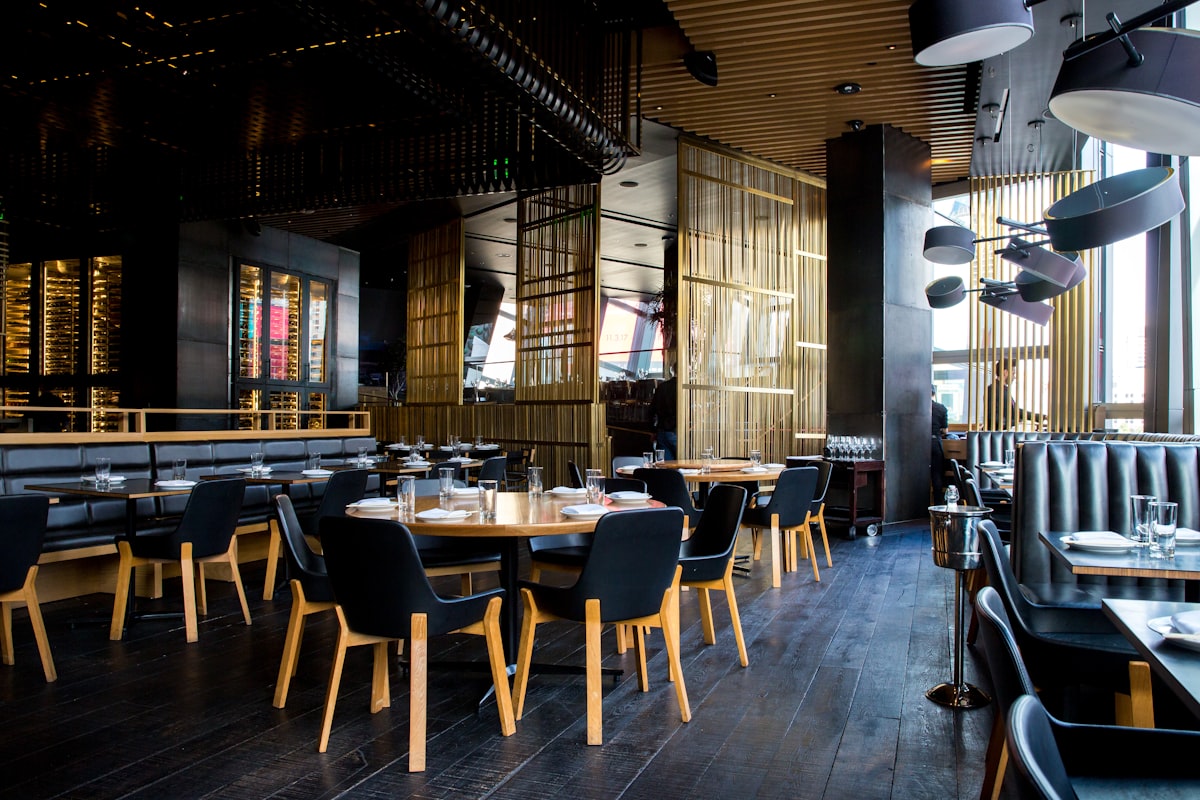 Common questions about implementing digital tip pooling systems
Can managers participate in tip pools?
Federal law prohibits managers and supervisors from receiving tips or participating in tip pools, even if they provide direct table service. This applies regardless of whether you take a tip credit. Digital systems can prevent manager participation through role restrictions.
What happens to tips on voided or comped checks?
Tips on voided checks should not enter pools since revenue wasn't collected. Tips on comp'd meals depend on policy - some restaurants include them, others don't. Configure your system according to your policy and ensure staff understand the rules.
How do we handle delivery driver tips?
Delivery tips typically stay with drivers rather than entering restaurant pools, though policies vary. If using third-party delivery platforms (Uber Eats, DoorDash), those tips go entirely to drivers. In-house delivery may pool with front-of-house depending on your structure.
Can tip pooling increase overall tips?
Yes. When all staff benefit from tips, entire teams focus on guest experience. Hosts greet warmly, bussers clear quickly, and bartenders expedite drinks - all improving service quality that leads to higher tips. Team-oriented service often outperforms individual efforts.
Conclusion
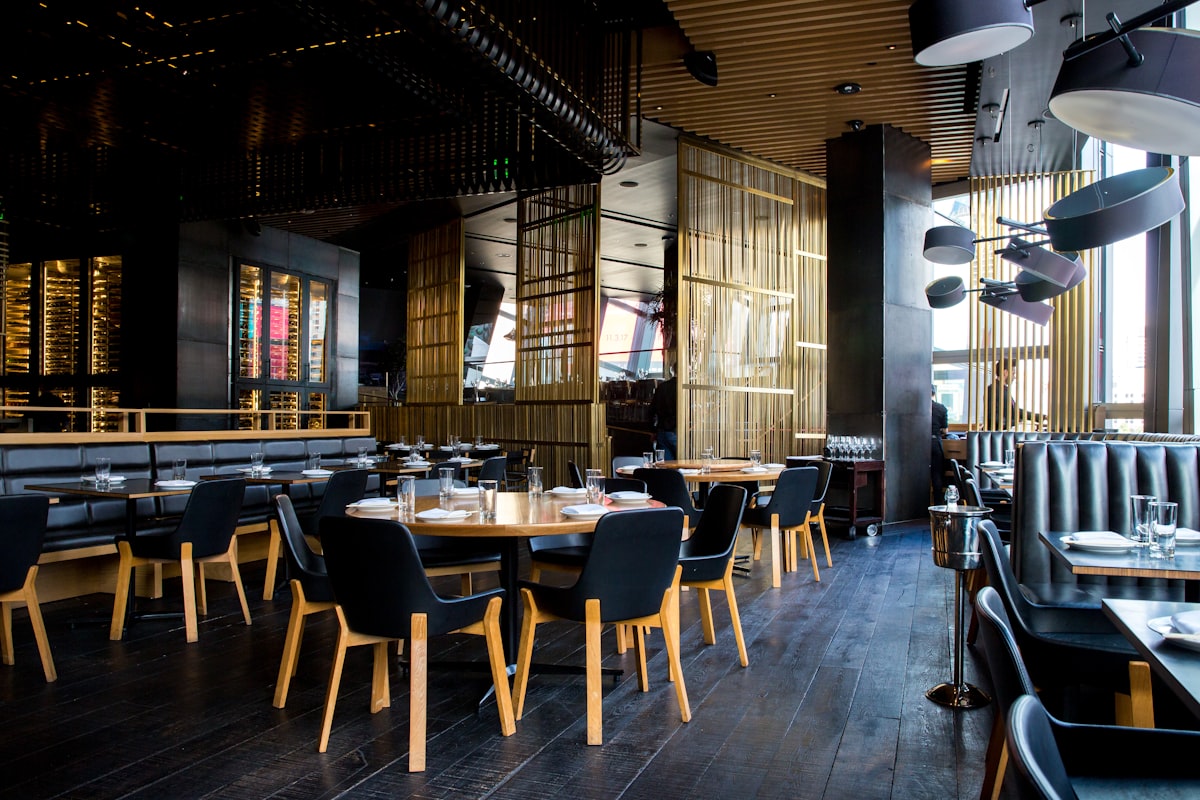 Fair, transparent tip pooling improves morale and reduces conflicts
Digital tip pooling systems eliminate the errors, disputes, and compliance risks of manual tip handling. Automated calculation, transparent distribution, and payroll integration save management time while improving staff satisfaction and legal compliance.
Implementation requires thoughtful rule configuration and staff communication, but most restaurants see immediate benefits in reduced administration time and fewer tip-related conflicts. The transparency provided by mobile apps and detailed reporting builds trust that manual systems can't match.
For restaurants still handling tips manually, digital systems offer compelling ROI through labor savings, reduced turnover, and compliance protection. The cost of $3-$5 per employee monthly pays for itself through time savings alone, before considering the value of improved morale and reduced legal risk.
Optimize your entire restaurant operation with our guides on POS systems, QR ordering, and inventory management. Modern technology across all operations creates efficiency, transparency, and success in competitive markets.
More Articles
AI-Powered Restaurant Inventory Forecasting: Reduce Waste and Boost Profits
Discover how AI inventory forecasting predicts demand, optimizes orders, and reduces food waste. Machine learning tools for smarter restaurant inventory management.
Appetito Menu Review: Multilingual QR Menus for Restaurants

Complete Appetito Menu review covering multilingual QR menu features, pricing, setup process, and how it compares to Fuudey, Menu Tiger, and alternatives.
Best Free QR Code Menu Generator in 2025 (7+ Reviewed)

We tested 8 free QR code menu generators including Fuudey, QR Menu Creator, Menuu, ScanIt.menu, and more. Full comparison with pricing, features, and honest reviews.