
AI-Powered Restaurant Inventory Forecasting: Reduce Waste and Boost Profits
Food waste costs U.S. restaurants $25 billion annually, while stockouts lose another $10 billion in missed sales. AI-powered inventory forecasting solves both problems by predicting demand with 90%+ accuracy, automatically adjusting orders, and identifying waste patterns invisible to human managers.
How AI Inventory Forecasting Works
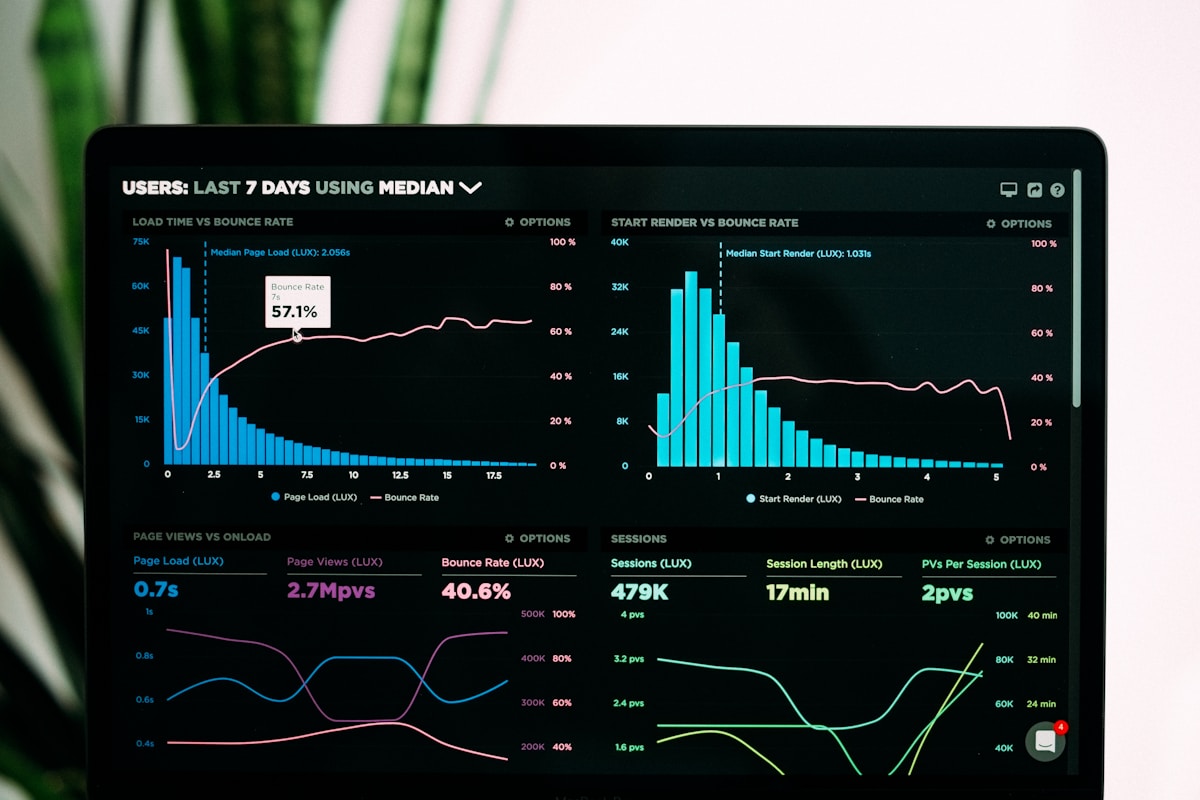 AI systems analyze historical data, weather, events, and trends to predict demand
Traditional inventory management relies on managers' gut feelings and basic historical averages. AI forecasting uses machine learning algorithms trained on millions of data points to predict future demand with remarkable accuracy.
The AI ingests data from multiple sources: POS sales history, weather forecasts, local events calendars, holiday patterns, reservation systems, and even social media trends. It identifies complex patterns humans miss—like how 15% humidity increase reduces soup sales by 8%, or how nearby concerts boost takeout orders 23%.
Modern AI forecasting systems update predictions continuously. When weather forecasts change, the AI adjusts tomorrow's produce order instantly. If a sold-out menu item gets restocked, the system recalculates related ingredient needs automatically.
The result: Restaurants using AI forecasting reduce food waste by 20-40% and cut inventory carrying costs by 15-25% while maintaining 99%+ item availability.
Benefits of Predictive Inventory Management
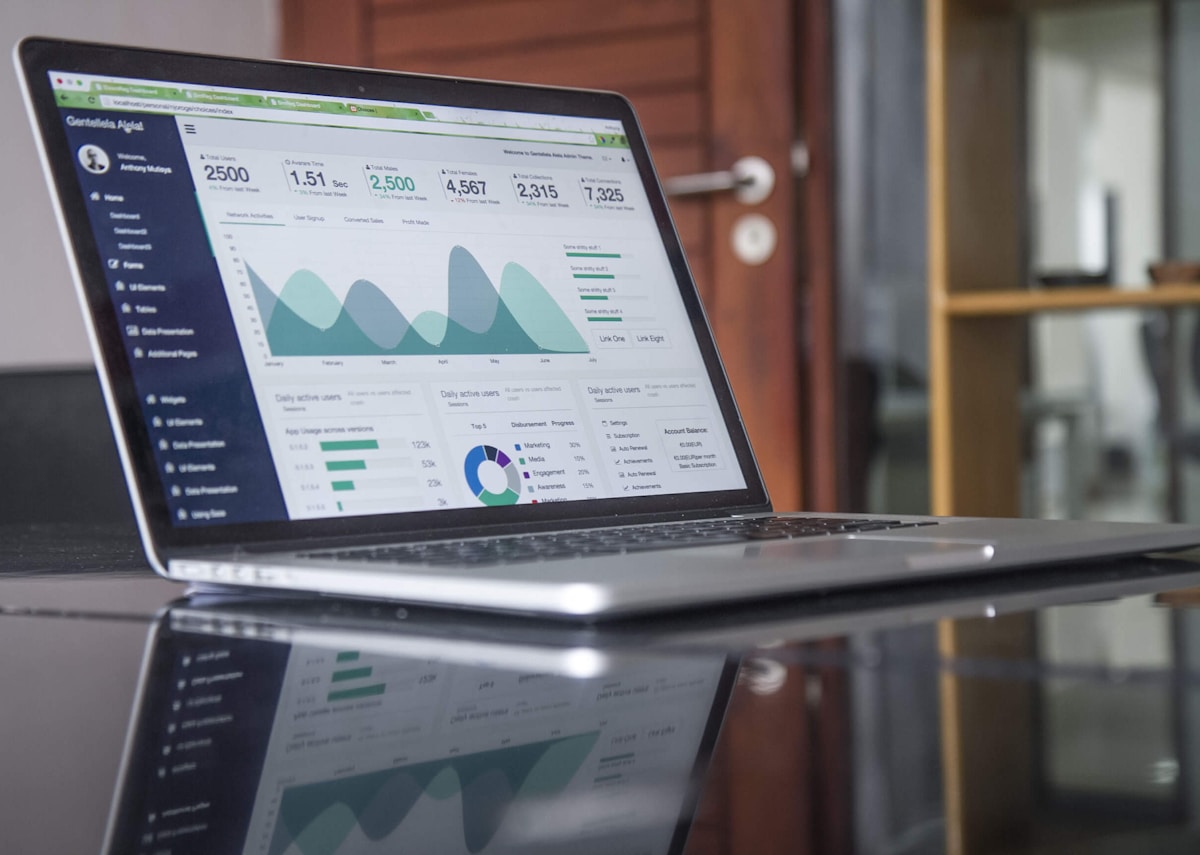 AI forecasting provides actionable recommendations, not just data
AI inventory forecasting delivers measurable improvements across restaurant operations:
Reduced Food Waste: AI predicts demand at item level, preventing over-ordering of perishables. One 50-seat restaurant reduced monthly waste from $3,200 to $1,100 using AI forecasting—saving $25,200 annually.
Lower Carrying Costs: Optimal inventory levels mean less capital tied up in stockrooms. Reduced storage needs, less spoilage, and lower insurance costs.
Fewer Stockouts: AI anticipates demand spikes from weather, events, and trends. Your prime rib doesn't run out on Saturday night because the system ordered extra Thursday.
Labor Savings: Manual inventory counts take 4-8 hours weekly. AI-integrated systems track inventory automatically through POS integration, freeing staff for customer service.
Better Pricing: Knowing future demand lets you negotiate supplier contracts more effectively. Buy in bulk when AI predicts high-demand periods; reduce orders during predicted slow periods.
Menu Optimization: AI identifies which items drive profits vs. waste. Data might reveal your "signature pasta" actually loses money when ingredient spoilage is factored in.
Learn about restaurant inventory management best practices
Top AI Inventory Forecasting Platforms
 Leading platforms offer different strengths for various restaurant types
Several platforms lead the AI inventory forecasting space:
MarketMan: Best for Multi-Location Operations
MarketMan's AI engine excels at franchise and multi-unit operations. The platform learns from your entire restaurant group, applying insights across locations. When Seattle location discovers a demand pattern, the AI applies that learning to similar markets.
Key Features:
- Automated purchase order generation based on AI predictions
- Real-time inventory tracking via POS integration
- Supplier price comparison and fraud detection
- Recipe costing with real-time ingredient prices
- Mobile app for inventory counts and receiving
Pricing starts at $249/month per location. Free trial available. Integrates with Toast, Square, Lightspeed, and other major POS systems.
MarketMan's strength is multi-location intelligence. The AI identifies regional patterns (coastal locations sell more seafood, mountain locations prefer heartier dishes) and seasonal variations across your operation.
BlueCart: Best for Procurement Optimization
BlueCart focuses on the ordering side, using AI to optimize supplier relationships and procurement timing. The platform analyzes supplier performance, pricing trends, and delivery reliability to recommend optimal ordering strategies.
AI Capabilities:
- Predictive ordering based on sales forecasts
- Supplier performance scoring
- Automated invoice matching
- Price anomaly detection (flags unusual supplier pricing)
- Demand forecasting by menu item
Plans start at $199/month. BlueCart's AI particularly excels at identifying supplier issues—if a vendor consistently delivers 48 hours late, the system automatically adjusts order timing.
The platform also spots pricing anomalies. If your tomato supplier suddenly charges 40% more than market rate, BlueCart alerts you immediately with alternative supplier suggestions.
Crunchtime: Best for Enterprise Chains
Crunchtime serves major restaurant chains with sophisticated AI needs. Their platform handles complex scenarios like regional menu variations, franchise vs. corporate locations, and international operations.
Enterprise Features:
- Location-specific demand forecasting
- Weather-adjusted predictions
- Event impact analysis
- Promotional lift calculations
- Waste pattern identification
Custom pricing for enterprise. Crunchtime's AI learns from thousands of locations simultaneously. If a menu promotion under-performs in test markets, the AI adjusts inventory predictions for rollout locations accordingly.
The platform's event intelligence is remarkable—it knows every local event calendar and adjusts forecasts automatically. Stadium concert nearby? The AI boosts beer and appetizer orders for surrounding locations.
xtraCHEF: Best for Invoice Automation + AI
xtraCHEF combines AI-powered invoice processing with inventory forecasting. The platform automatically reads supplier invoices (even PDFs and handwritten ones), extracts pricing data, and feeds it into forecasting algorithms.
Unique Features:
- OCR invoice processing (no manual data entry)
- Real-time cost variance alerts
- Recipe costing with live ingredient prices
- Automated AP workflow
- Budget vs actual comparisons
Starts at $199/month. xtraCHEF's AI learns your suppliers' invoice formats and extracts data automatically. Invoices arrive via email, the system processes them, updates inventory counts, and flags price discrepancies—all without staff involvement.
For restaurants dealing with dozens of suppliers weekly, xtraCHEF eliminates hours of manual invoice entry and cost tracking.
Machine Learning Techniques in Inventory Forecasting
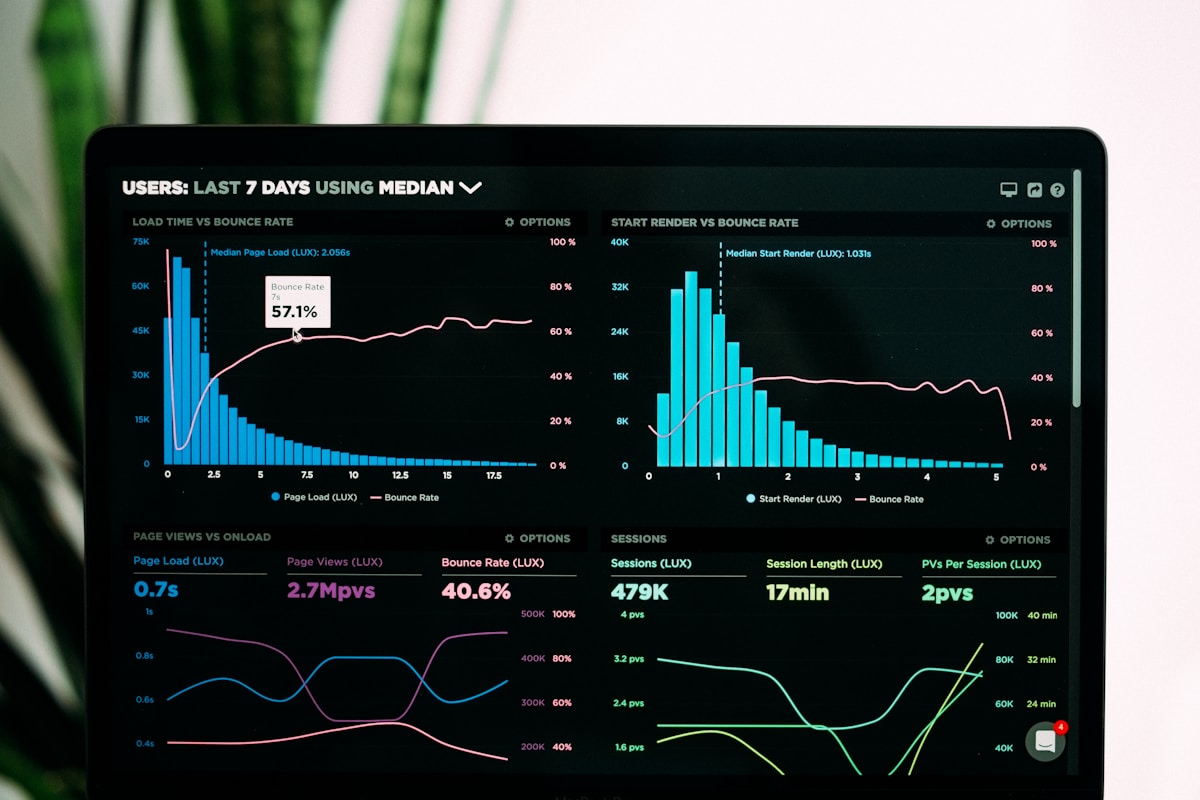 Different ML algorithms excel at different forecasting scenarios
AI inventory systems use several machine learning techniques:
Time Series Analysis: Analyzes historical sales patterns to identify trends, seasonality, and cycles. Excellent for predicting regular patterns (Friday nights are always busy, December sells more gift cards).
Regression Models: Correlates sales with external factors like weather, events, and holidays. Reveals relationships like "each degree above 85°F increases iced coffee sales by 12 units."
Neural Networks: Deep learning models that find complex, non-linear patterns. Discovers subtle relationships like "rainy Tuesdays after three-day weekends see 15% higher soup sales."
Ensemble Methods: Combines multiple algorithms for more accurate predictions. If time series predicts 100 burgers but regression predicts 120, ensemble method weighs both and outputs 112.
Anomaly Detection: Identifies unusual patterns that indicate problems. If chicken wing sales suddenly spike on a Tuesday (historically slow), the AI investigates—maybe a nearby event or competitor closure.
Most platforms use ensemble approaches, combining multiple techniques for best accuracy. The AI continuously learns, improving predictions as it gathers more data about your specific operation.
Integrating AI Forecasting with POS Systems
 POS integration provides real-time sales data to AI forecasting engines
AI forecasting accuracy depends on data quality. POS integration provides real-time sales data automatically:
What POS Data Feeds AI:
- Item-level sales quantities and timing
- Void and comp patterns (indicates quality issues)
- Modifier popularity (affects ingredient usage)
- Table turn times and seat counts
- Server performance metrics
- Payment methods and check sizes
This granular data lets AI understand not just what sells, but why. If burger sales spike at 2 PM on Wednesdays, AI digs deeper—is it a nearby business lunch? School schedule? Recurring event?
Most AI platforms integrate with major POS systems:
- Toast, Square, Lightspeed (native integrations)
- Clover, TouchBistro, Revel (API connections)
- Legacy systems (often require middleware)
Integration setup typically takes 1-4 hours. Sales data flows automatically thereafter. Some platforms also pull data from online ordering, reservation systems, and delivery apps for complete demand picture.
Compare POS systems for restaurants
Weather and Event Intelligence
 Weather and local events significantly impact restaurant demand
External factors dramatically affect restaurant demand. AI platforms incorporate predictive data:
Weather Impact: Temperature, precipitation, humidity, and forecasts adjust predictions. Hot summer days boost patio seating and cold beverages. Rainy weather increases takeout orders and comfort food sales.
One casual dining chain discovered their soup sales correlated 0.87 with overnight low temperature (nearly perfect correlation). The AI now orders soup ingredients based on weather forecasts, not just historical patterns.
Local Events: Concerts, sports games, conferences, and festivals drive demand spikes. AI platforms subscribe to event databases covering your area. When a 20,000-person concert is scheduled nearby, the system automatically increases inventory.
Holiday Intelligence: AI learns your specific holiday patterns. Not just major holidays (Thanksgiving, Christmas) but local observances, school calendars, and even paycheck schedules in your area.
Competitive Intelligence: Some advanced systems monitor competitor closures, openings, and Google review trends. If your primary competitor closes unexpectedly, AI predicts demand influx and adjusts inventory.
This external data transforms forecasting from reactive (what happened last Tuesday?) to predictive (what will happen next Tuesday given weather, events, and trends?).
Reducing Food Waste with AI Insights
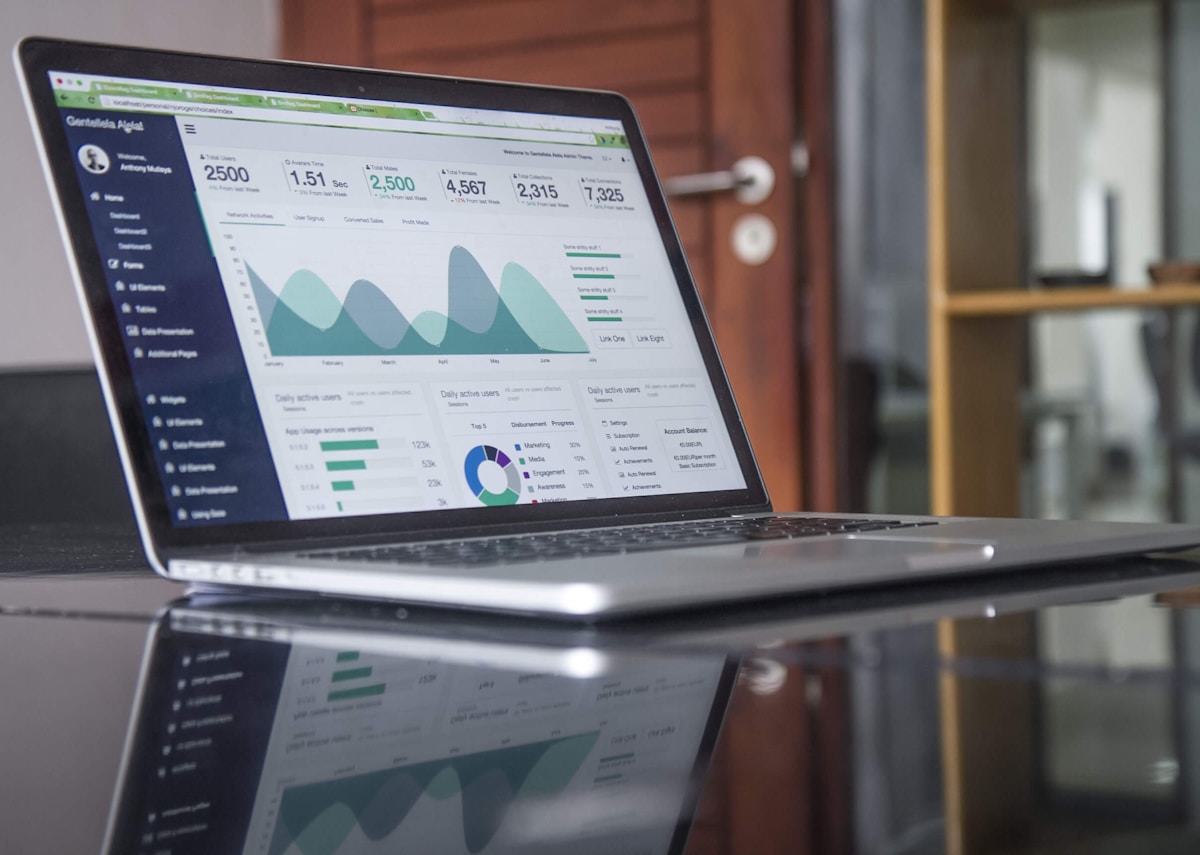 AI identifies waste patterns and provides actionable reduction strategies
Food waste is profit waste. AI forecasting directly addresses waste through:
Precision Ordering: AI orders exact quantities needed based on predicted demand. No more "round up to be safe" that leads to spoilage.
Shelf Life Optimization: The system tracks ingredient shelf lives and uses oldest stock first. Alerts when items approach expiration, suggesting promotions to move inventory.
Prep Quantity Guidance: AI tells kitchen how much to prep based on predicted covers. If Wednesday lunch typically needs 40 salads prepped, but next Wednesday has favorable weather and a nearby conference, AI adjusts to 55.
Waste Pattern Identification: AI spots items consistently wasted. If you throw away 20% of your asparagus weekly, the system flags it and suggests reducing par levels or removing the item.
Dynamic Menu Planning: Real-time waste tracking lets you adjust menus on the fly. High tomato inventory about to expire? AI suggests featuring tomato-based specials.
Restaurants using AI waste reduction report:
- 20-40% reduction in food waste within 6 months
- $8,000-$25,000 annual savings for average restaurant
- Improved sustainability metrics and customer perception
Environmental benefits aside, waste reduction directly improves bottom line. Every pound of waste prevented is pure profit.
Read about restaurant inventory management apps
Real-Time Inventory Tracking
 Real-time tracking eliminates manual counts and improves accuracy
Traditional inventory requires weekly or monthly manual counts—time-consuming and error-prone. AI-integrated systems track inventory in real-time:
Perpetual Inventory: Every POS sale automatically decrements inventory. Sell a burger, system reduces ground beef, buns, lettuce, cheese, tomatoes, and pickles based on recipe cards.
Automated Receiving: When deliveries arrive, staff scans invoices or barcodes. System updates inventory instantly without manual entry.
Variance Detection: AI compares theoretical inventory (what should be left based on sales) vs. actual counts. Discrepancies indicate theft, waste, or portioning errors.
Mobile Counting: Staff use tablets or phones for spot counts. AI prioritizes which items to count based on variance risk and value.
Smart Par Levels: Instead of fixed par levels (always keep 50 units), AI adjusts par levels dynamically based on predicted demand. Before busy weekend, par increases automatically.
Real-time tracking eliminates surprise stockouts. When ribeye inventory drops below predicted needs for tomorrow, the system automatically alerts managers and generates rush order.
Cost Analysis and Recipe Costing
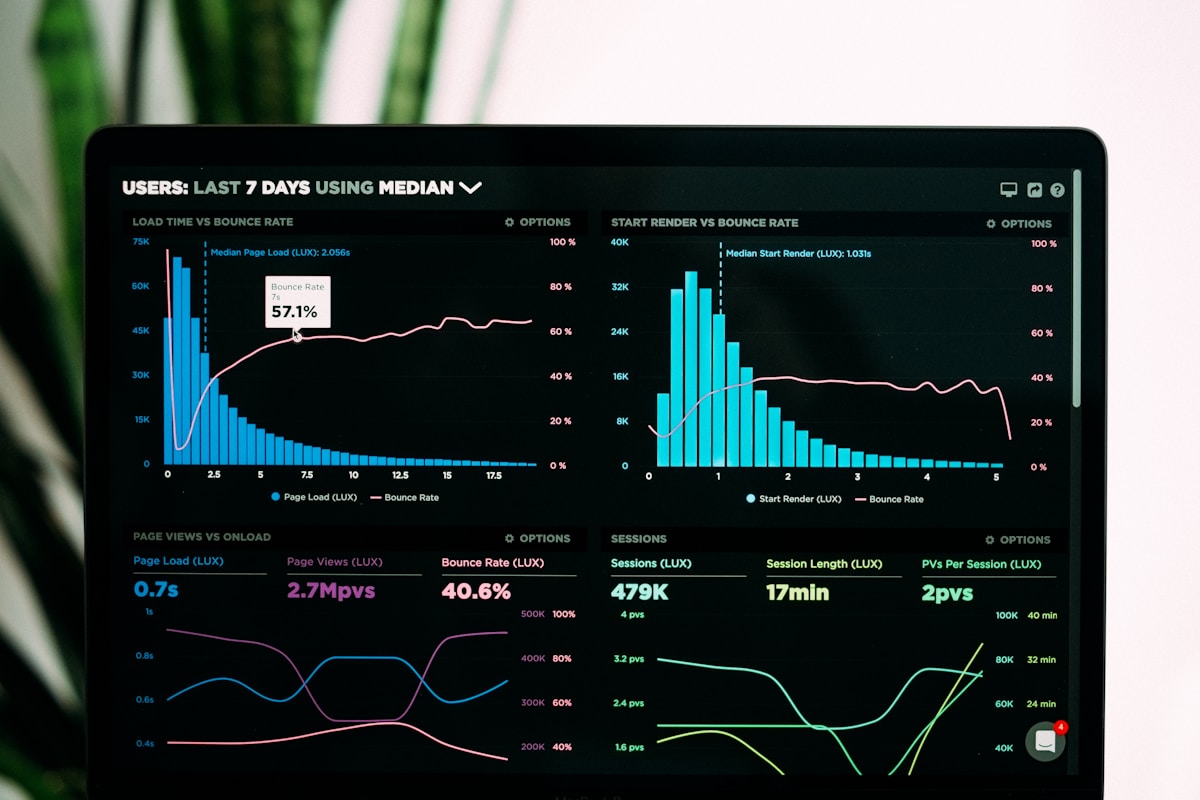 Real-time recipe costing reveals true menu item profitability
Menu pricing should reflect current costs, but ingredient prices fluctuate. AI platforms provide real-time recipe costing:
Ingredient Price Tracking: Every invoice updates ingredient costs automatically. When chicken price increases from $2.40/lb to $2.75/lb, all recipes containing chicken show updated costs immediately.
Menu Item Profitability: AI calculates exact food cost percentage for each item based on current prices. Your "profitable" salmon might actually lose money when current market rates are factored in.
Price Optimization Suggestions: If ingredient costs push an item's food cost above target margins, AI suggests price increases or recipe modifications to restore profitability.
Alternative Ingredient Recommendations: When primary ingredients spike in price, AI suggests substitutes. Avocado prices up 40%? System recommends temporary menu change or price adjustment.
Supplier Comparison: AI tracks prices across suppliers and recommends switches when cost savings justify it. If Supplier B offers tomatoes 15% cheaper than Supplier A without quality compromise, system alerts you.
One restaurant discovered their "signature burger" was losing money due to premium bacon costs. AI suggested three options: raise price $1.50, switch to different bacon, or reduce portion size. Each option showed projected margin impact.
Implementation Strategy
 Successful AI implementation follows structured methodology
Implementing AI inventory forecasting requires methodology, not just software purchase:
Phase 1: Data Preparation (Weeks 1-2)
- Audit current inventory processes
- Clean up POS item names and categories
- Build accurate recipe cards for all items
- Document current supplier relationships
- Establish baseline waste metrics
Phase 2: Platform Selection (Weeks 3-4)
- Define requirements and budget
- Request demos from 3-5 platforms
- Verify POS integration capabilities
- Check references from similar restaurants
- Negotiate pricing and contract terms
Phase 3: Integration & Training (Weeks 5-8)
- Connect POS and accounting systems
- Import historical sales data (minimum 6 months)
- Configure recipes and ingredient mappings
- Train staff on new processes
- Set up reporting dashboards
Phase 4: Pilot Operation (Weeks 9-12)
- Run AI recommendations alongside current process
- Compare accuracy of AI vs. traditional ordering
- Adjust algorithms and parameters
- Gather staff feedback
- Measure waste reduction and cost savings
Phase 5: Full Rollout (Weeks 13+)
- Transition to AI-driven ordering
- Establish ongoing optimization schedule
- Monitor KPIs weekly
- Continuous staff training
- Quarterly system audits
Most restaurants achieve ROI within 3-6 months through waste reduction and labor savings.
Measuring AI Forecasting Success
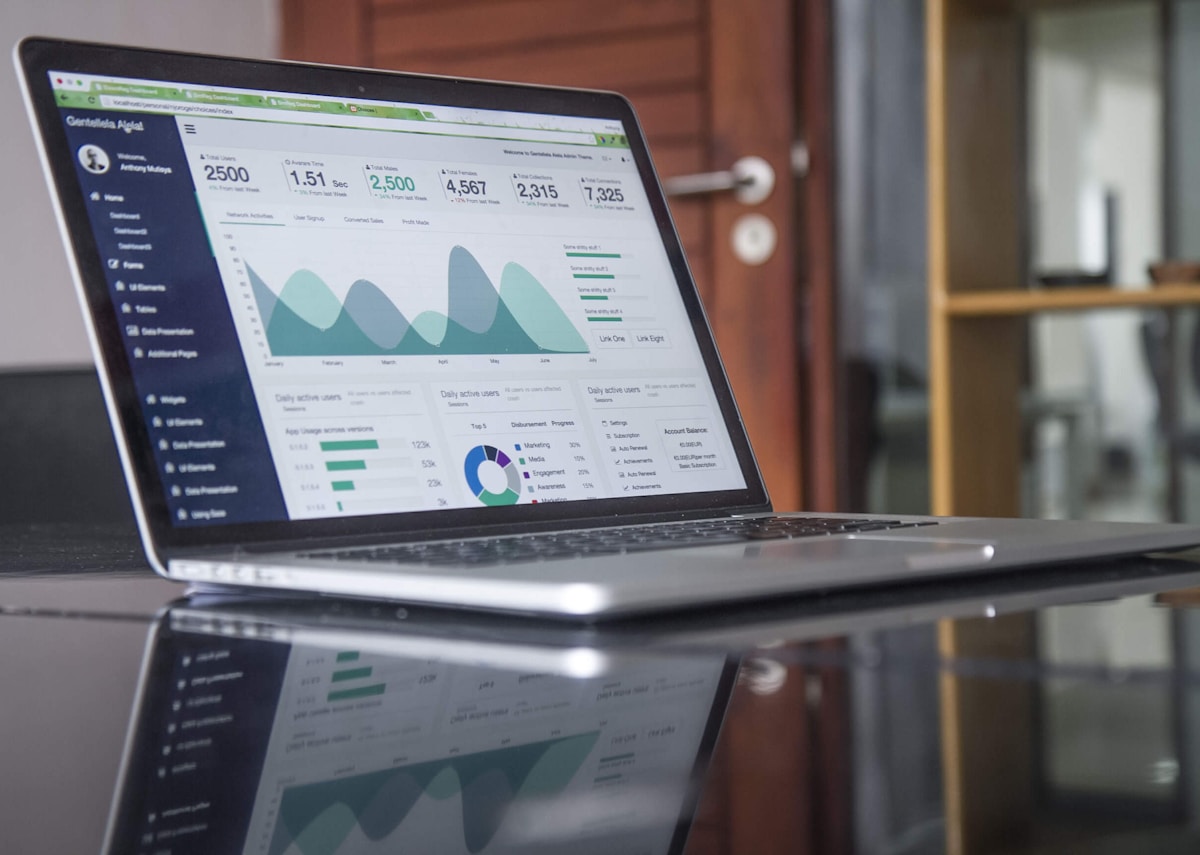 Track specific KPIs to measure AI forecasting ROI
Measure these metrics to evaluate AI forecasting effectiveness:
Forecast Accuracy: Compare AI predictions vs. actual sales. Target 90%+ accuracy after 3 months of operation. Below 80% indicates data quality issues or insufficient training.
Waste Reduction: Measure food waste by weight and cost. Track weekly. Goal: 20-40% reduction within 6 months.
Stockout Rate: How often menu items become unavailable. Target under 1% stockout rate. AI should prevent nearly all stockouts.
Inventory Turns: How many times you cycle through inventory monthly. Higher turns = less capital tied up. Good restaurants achieve 8-12 turns monthly.
Labor Hours: Time spent on inventory tasks (counting, ordering, receiving). Should decrease 40-60% with automation.
Food Cost Percentage: Overall food costs as percentage of sales. Should decrease 2-4 percentage points with better forecasting.
ROI: Calculate monthly savings from waste reduction + labor savings + stockout prevention, minus platform costs. Typical ROI: 200-400% annually.
Document baseline metrics before implementation, then track monthly improvement. Most platforms include built-in reporting dashboards for these KPIs.
Conclusion
 AI inventory forecasting represents the future of restaurant operations
AI-powered inventory forecasting transforms restaurant management from reactive guesswork to proactive intelligence. By analyzing millions of data points humans can't process, AI predicts demand with remarkable accuracy, reduces waste dramatically, and optimizes every aspect of inventory management.
The technology has matured beyond early-adopter stage. Platforms like MarketMan, BlueCart, Crunchtime, and xtraCHEF offer proven solutions at accessible price points. Integration with modern POS systems is straightforward, and ROI typically appears within months.
Start with clear goals: waste reduction, cost savings, or labor efficiency. Choose platforms matching your operation size and complexity. Implement methodically with proper training and data preparation. Measure results rigorously.
Restaurants that embrace AI forecasting gain significant competitive advantages: lower costs, better food quality (less spoilage), improved sustainability, and more strategic decision-making. Those still relying on spreadsheets and gut feelings will increasingly struggle to compete.
The question isn't whether to adopt AI inventory forecasting—it's when and which platform. The sooner you start, the sooner you stop throwing away profits with expired produce.
More Articles
Appetito Menu Review: Multilingual QR Menus for Restaurants
Complete Appetito Menu review covering multilingual QR menu features, pricing, setup process, and how it compares to Fuudey, Menu Tiger, and alternatives.
Best Free QR Code Menu Generator in 2025 (7+ Reviewed)

We tested 8 free QR code menu generators including Fuudey, QR Menu Creator, Menuu, ScanIt.menu, and more. Full comparison with pricing, features, and honest reviews.
Best iPad POS Systems for Restaurants in 2025 (Compared)

Compare the best iPad POS systems for restaurants including Square, TouchBistro, Lightspeed, and Lavu. Features, pricing, and which is right for you.