
Drive-Thru Technology for QSR Restaurants: Digital Menu Boards, AI Ordering & Speed of Service
The drive-thru is the most important piece of real estate in quick service restaurants. In the US, drive-thru accounts for over 70% of revenue at major QSR chains. A 10-second improvement in service time can translate to millions in incremental annual revenue for a mid-size chain.
Technology is transforming every step of the drive-thru experience — from the moment a customer pulls into the lane to the second their food hits the pickup window. Here's what's working, what's coming, and how operators at every scale can take advantage.
Why Drive-Thru Technology Is Accelerating
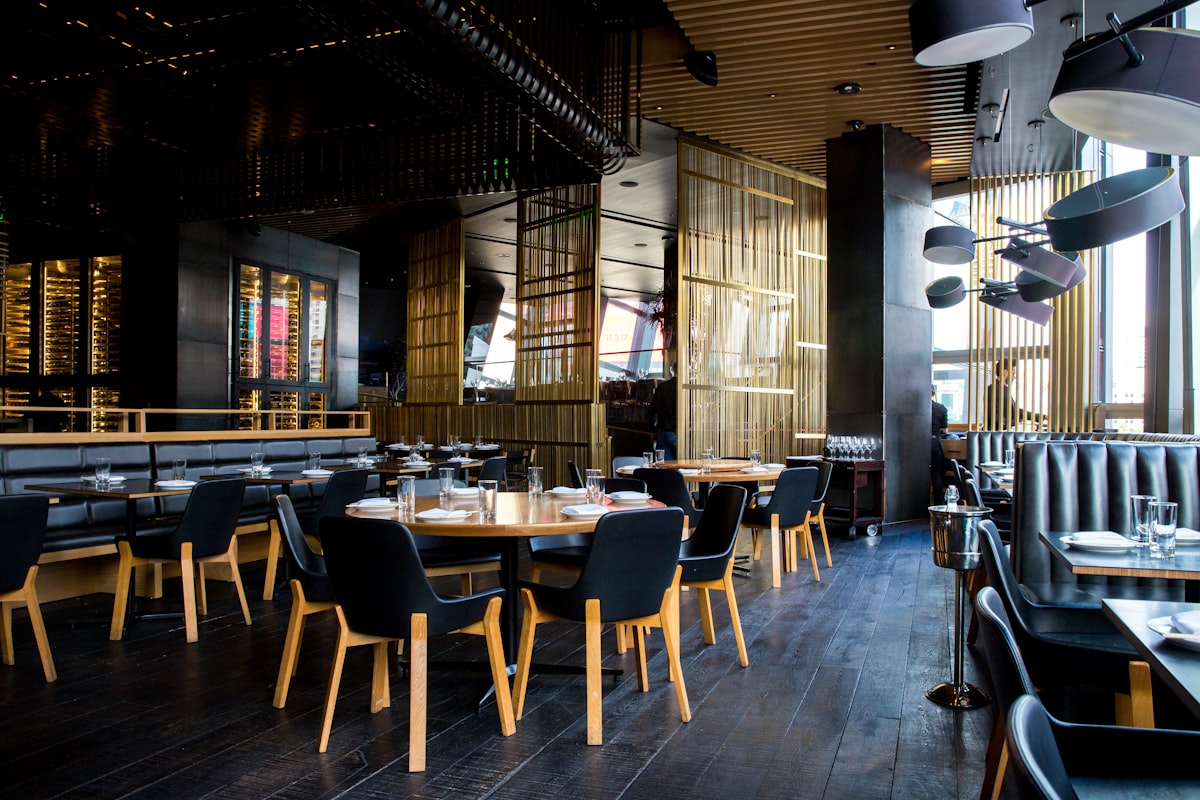 The average drive-thru wait time has increased to over 6 minutes — technology is the primary tool for reversing that trend
Post-pandemic dining patterns locked in drive-thru as the dominant QSR channel. Staffing challenges have pushed operators toward automation to maintain throughput without proportional labor increases.
The numbers are stark: every second saved per car adds 5–10 vehicles per hour in a high-volume lane. At average ticket sizes of $8–12, that's $40–100 in additional hourly revenue per lane.
The technology solutions below target each bottleneck in the drive-thru process.
Digital Menu Boards: The Foundation
 Modern outdoor digital menu boards switch automatically based on time of day, weather, and inventory levels
Static backlit menu boards are disappearing. Digital boards — large commercial displays driven by content management software — have become table stakes for any QSR doing meaningful volume.
What they enable beyond pretty pictures:
Daypart switching — breakfast menu transitions to lunch at exactly 10:30 AM automatically, no employee intervention needed.
Weather-triggered promotions — cold drinks feature prominently when it's hot; soup and hot beverages move up when it's cold.
86-item removal — when an item sells out, it disappears from the menu in seconds. No more apologizing at the window.
Upsell suggestions — dynamic boards can be programmed to promote high-margin add-ons based on time of day or current promotional priorities.
Key vendors: Delphi Display Systems, Xenial, Elo Touch, and Samsung's commercial display division all serve this market. Most integrate with major QSR POS platforms including NCR, PAR Technology, and Oracle MICROS.
Investment range: $15,000–$40,000 per location for hardware and installation, plus $200–$800/month in software licensing for content management.
AI Voice Ordering: The Emerging Frontier
 AI voice ordering systems can process orders without human involvement, freeing staff for fulfillment tasks
AI-powered voice ordering is the most disruptive technology in the drive-thru space right now. Instead of a human employee taking orders at the intercom, an AI system handles the conversation.
How it works: The AI recognizes speech, parses order intent, handles modifications ("no pickles," "add bacon," "make that a large"), and confirms the order — all without human involvement. Exceptions and complex cases escalate to a human employee.
McDonald's, Checkers, Hardee's, and White Castle have all piloted or deployed AI ordering systems at scale. The technology is moving from pilot to mainstream rapidly.
Market leaders in this space:
- SoundHound for Restaurants — formerly known as Mastercard's Dynamic Yield acquisition area; now standalone
- Presto Automation — one of the most widely deployed systems in the industry
- Hi Auto — Israeli company with major US QSR deployments
- ConverseNow — focused specifically on restaurant voice AI
Current limitations: Accuracy rates sit at 85–92% depending on accent diversity, background noise, and menu complexity. Human backup remains essential.
ROI case: A single AI ordering system that removes one employee from the intercom position can save $12–15/hour in labor. At 12 operating hours, that's $50,000+ in annual savings per lane.
License Plate Recognition and Customer Identification
 License plate recognition lets operators identify returning customers and trigger personalized offers
License plate recognition (LPR) technology is connecting drive-thru visits to customer loyalty profiles. When a returning customer pulls in, the system recognizes their plate and — with opt-in consent — can:
- Pull up their recent order history for faster reordering
- Apply loyalty points automatically without requiring an app scan
- Trigger personalized promotions based on order history
Tillster and Xenial (a Global Payments company) both offer LPR-integrated ordering systems. This technology is primarily in use at enterprise chains but hardware costs are falling rapidly.
Drive-Thru Lane Management and Timing Systems
 Lane management software tracks every car in queue, monitors service times, and alerts managers to bottlenecks
Knowing what's happening in your lane at any moment is the first step to optimizing it. Drive-thru timing systems use a combination of sensors, cameras, and software to track:
- Cars in queue and estimated wait times
- Time at each station (order, cashier, pickup window)
- Individual employee performance on speed
- Peak hour patterns by day and location
HME NEXEO and Delphi Insight are the leading platforms in this category. These systems generate reports that managers can use to identify bottlenecks — is the problem at the order point, the cashier, or the pickup window?
Key metric: Industry benchmark for drive-thru service time is under 300 seconds (5 minutes). Top performers hit 200 seconds or less. Timing systems show you exactly where your extra minutes are going.
POS Systems Optimized for Drive-Thru
 Drive-thru POS configurations differ from dine-in — multiple screens, headset integration, and predictive ordering are key
Not all POS systems handle drive-thru operations equally. Key features to look for:
Predictive ordering — systems that display the current customer's past orders on screen when a loyalty member is identified, reducing order time.
Multi-lane management — dual-lane drive-thrus require POS logic that can route orders to the right pickup window without confusion.
Headset integration — the POS should connect to your drive-thru headset system so order capture is seamless.
PAR Technology Brink, NCR Aloha, and Oracle MICROS are the dominant POS platforms in QSR, all with purpose-built drive-thru functionality.
Mobile Order Integration
 Mobile-ahead ordering lets customers skip the order point entirely and pull straight to the pickup window
Mobile-ahead ordering — where customers order and pay through the app before arriving — is eliminating the order point visit entirely for the fastest drive-thru experiences.
Chick-fil-A, McDonald's, and Starbucks have invested heavily in dedicated mobile order lanes where app customers skip the intercom completely. The result: throughput increases because part of the queue is pre-processed.
For independent and regional chains, integrating mobile ordering with your drive-thru flow requires a POS with strong mobile order integration. Toast Online Ordering, Olo, and Flipdish all support this workflow.
What's Right for Your Operation
 Technology investment should match your volume and growth trajectory
Not every drive-thru needs AI voice ordering and LPR. Here's a framework:
Under $2M annual revenue: Focus on digital menu boards and a drive-thru-capable POS. The ROI on more complex technology doesn't pencil at lower volumes.
$2M–$10M annual revenue: Add lane timing software and evaluate mobile ordering integration. These have clear ROI at mid-tier volumes.
$10M+ or multi-unit chains: AI voice ordering, LPR, and predictive ordering systems deliver meaningful returns and competitive advantage.
Conclusion
 The drive-thru is evolving from a staffed ordering channel to a largely automated throughput machine
The drive-thru is becoming a technology showcase. Digital menu boards are already standard. AI ordering is crossing the adoption chasm. Mobile-ahead and LPR are the next wave.
For QSR operators, the question isn't whether to invest in drive-thru technology — it's which investments deliver ROI at your current volume and which to phase in as you grow. Start with the foundation (digital boards, timing systems), validate the returns, and layer in automation from there.
Speed wins in QSR. Technology is how you get faster without burning out your team.
More Articles
AI-Powered Restaurant Inventory Forecasting: Reduce Waste and Boost Profits
Discover how AI inventory forecasting predicts demand, optimizes orders, and reduces food waste. Machine learning tools for smarter restaurant inventory management.
Appetito Menu Review: Multilingual QR Menus for Restaurants
Complete Appetito Menu review covering multilingual QR menu features, pricing, setup process, and how it compares to Fuudey, Menu Tiger, and alternatives.
Best Free QR Code Menu Generator in 2025 (7+ Reviewed)
We tested 8 free QR code menu generators including Fuudey, QR Menu Creator, Menuu, ScanIt.menu, and more. Full comparison with pricing, features, and honest reviews.