
Ghost Kitchen Technology Guide: The Complete Tech Stack for Virtual Restaurants
Ghost kitchens — delivery-only restaurant operations with no dine-in — grew from a niche concept to a multi-billion dollar industry in under a decade. Whether you're launching a new virtual brand or adding delivery-only revenue to an existing restaurant, the technology you choose will make or break your operation.
Unlike traditional restaurants where staff can paper over software gaps with manual effort, ghost kitchens live and die by their tech stack. Every order is digital, every fulfillment is time-sensitive, and every mistake shows up in your ratings.
What Makes Ghost Kitchen Tech Different
 Ghost kitchens receive 100% of orders through digital channels — your tech stack has no backup plan
In a traditional restaurant, a paper ticket can save you if the KDS crashes. In a ghost kitchen, a system failure means zero orders flowing — full stop.
The key differences that shape technology decisions:
- All orders are digital — delivery apps, your own website, or aggregator tablets
- Multiple brands from one kitchen — many operators run 2–5 virtual brands simultaneously
- No front-of-house — no tableside payments, no menu boards, no hosting software
- Speed is your product — late deliveries hurt ratings more than any other factor
- Drivers are your waitstaff — DoorDash, Uber Eats, and Grubhub drivers become part of your service chain
Core Technology Layer 1: Order Management
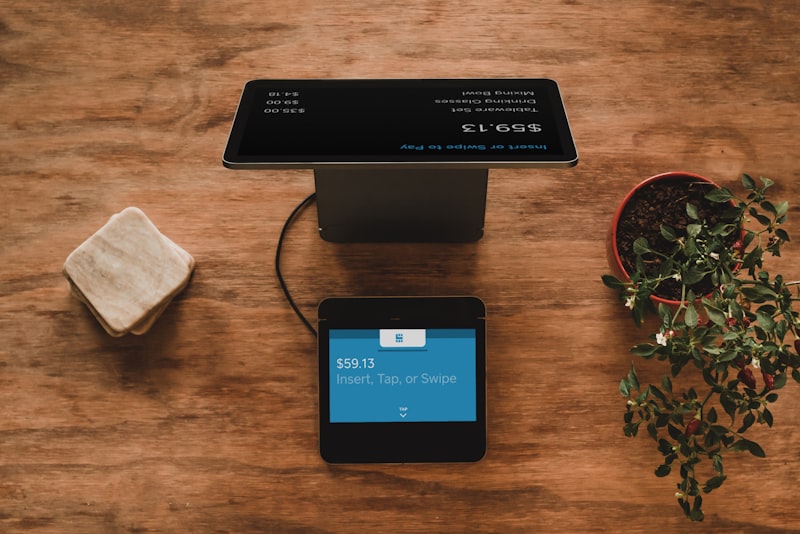 Order management platforms consolidate DoorDash, Uber Eats, and Grubhub orders into a single screen
The first problem every ghost kitchen solves: you're on multiple delivery platforms, each with their own tablet. Managing five tablets during a lunch rush is chaos.
Order aggregation platforms pull all your delivery channels into one screen:
Otter — purpose-built for ghost kitchens. Aggregates orders from all major delivery apps, auto-prints tickets, and gives you a unified dashboard. Starting around $49/month per location.
Deliverect — popular in Europe and expanding in North America. Strong integration with POS systems including Lightspeed, Square, and Shopify. Priced per location, typically $70–100/month.
ItsaCheckmate — widely used by enterprise operators and chains. Deep POS integration with Toast, Olo, and others. More expensive but handles high volume reliably.
What to prioritize:
- Real-time menu sync across all platforms (price changes, 86'd items)
- Auto-tablet replacement (so you can ditch the physical tablets)
- Pause ordering per platform during rushes
- Error alerting when items fail to process
Core Technology Layer 2: POS System
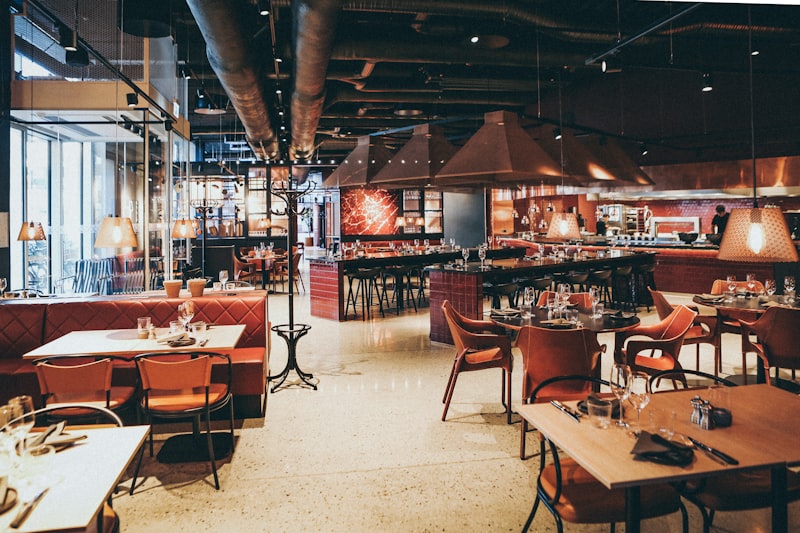 Your POS is the central hub — everything else should integrate with it
Even without dine-in, you need a POS to track orders, manage inventory, run reports, and process payments from your own website.
Toast is the most common choice for ghost kitchens, primarily because of its deep integration ecosystem. Toast Delivery Services lets you offer direct ordering through your own website without third-party commissions.
Square for Restaurants is the right choice for lean operators and new concepts testing demand. The lower upfront cost and solid online ordering features make it accessible for virtual brands just getting started.
Olo serves as the online ordering layer for many multi-location ghost kitchen operators — it's not a traditional POS but powers direct ordering at scale. If you're building a brand that could expand to 50+ locations, Olo belongs in your planning conversation early.
The key requirement for any ghost kitchen POS: it must accept inbound orders from your aggregation platform and push them to your kitchen display without manual re-entry.
Core Technology Layer 3: Kitchen Display System (KDS)
A dedicated KDS reduces ticket errors and keeps order flow visible to all kitchen stations
Every ghost kitchen needs a KDS — no paper, no exceptions. When orders come from five platforms at once, a printed ticket pile becomes unmanageable fast.
KDS requirements for ghost kitchens:
- Multi-brand filtering — show orders by virtual brand so your stations know what they're making
- Bump and recall — completed orders should clear automatically, not require manual management
- Order timing alerts — visual warnings when orders are approaching the promised delivery window
- Driver arrival notification — some systems ping the KDS when a driver checks in
Toast KDS, Square KDS, and dedicated systems from Epoch or Flipdish all work well. The critical factor is seamless integration with your POS and order aggregator.
Core Technology Layer 4: Inventory Management
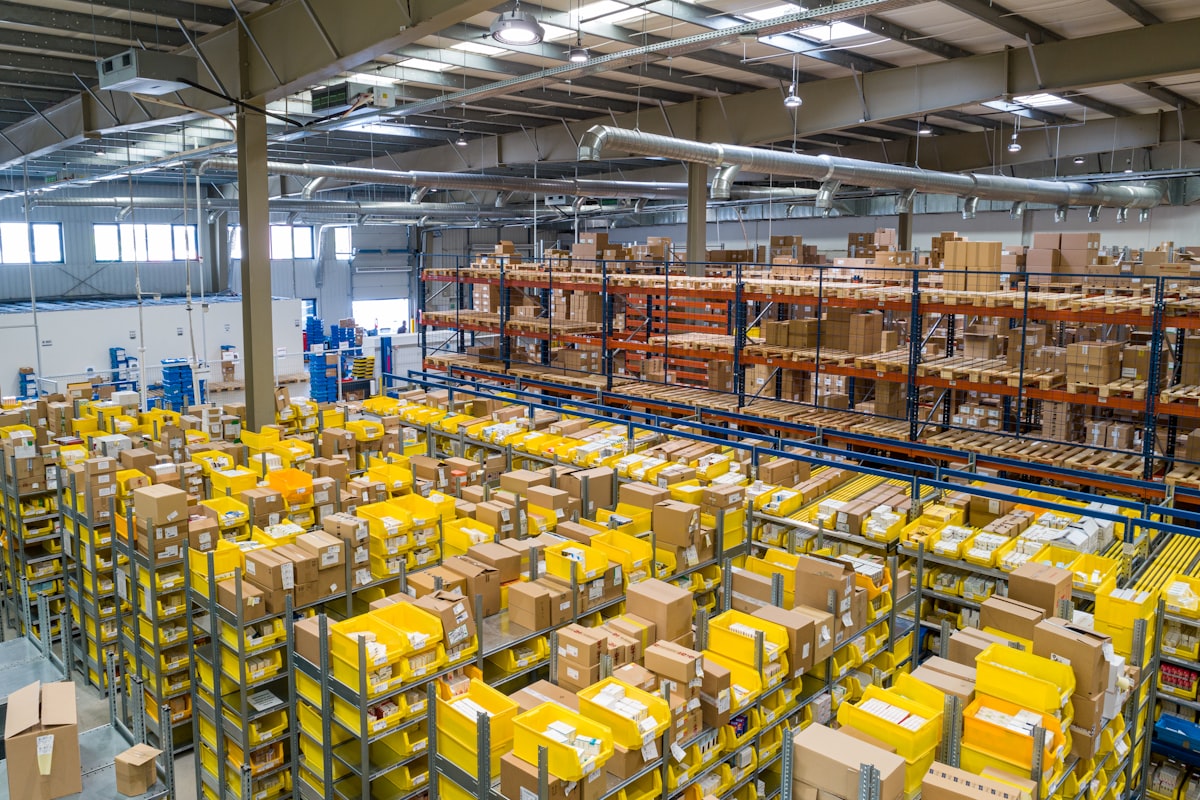 Real-time inventory prevents the worst ghost kitchen outcome: a driver showing up for an out-of-stock order
Running out of a key ingredient in a traditional restaurant is bad. In a ghost kitchen, it means negative reviews, refunds, and damaged platform rankings.
Marketman and BlueCart are purpose-built for restaurant inventory. They track ingredient-level usage, alert you before you run out, and help you calculate recipe costs as food prices change.
86ing items in real time is critical. When you run out of something, your aggregation platform needs to know immediately so customers can't order it. Systems like Otter and Deliverect handle this, but only if your menu is properly structured in the system.
Packaging and Labeling Technology
 Branded packaging and QR codes on delivery bags can drive direct repeat orders, cutting out platform fees
One underrated ghost kitchen tech investment: thermal label printers with order management integration.
When a driver picks up three bags from three different virtual brands in one run, clear labeling prevents mix-ups. Dymo, Zebra, and Epson all make thermal printers that connect to your POS or order management system to print branded labels automatically.
The hidden opportunity: print a QR code on your packaging that links to your direct ordering page. Every delivery is a marketing touchpoint. Customers who reorder directly save you the 15–30% commission on the next order.
Analytics and Performance Tracking
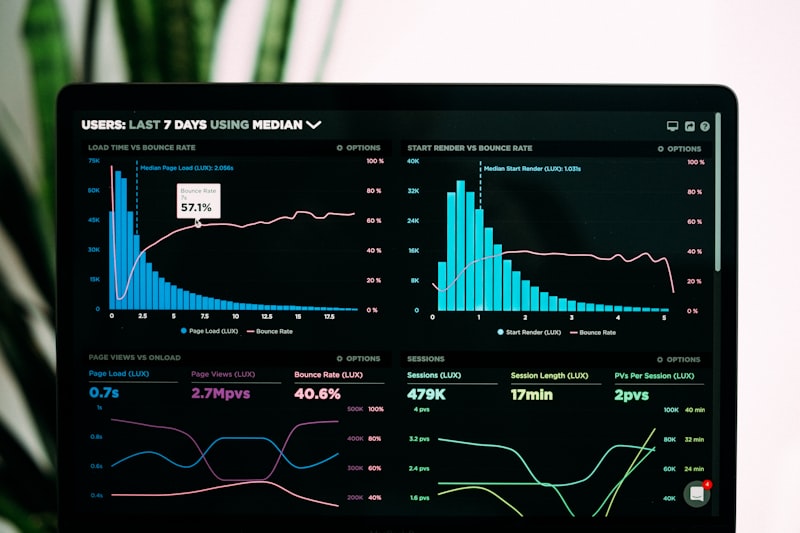 Track your delivery platform ratings, order accuracy, and average preparation time to stay competitive
Ghost kitchens operate on metrics in ways dine-in restaurants don't. Your delivery platform rankings depend on:
- Acceptance rate — how often you accept orders
- Prep time accuracy — does food actually take as long as you told the platform?
- Order accuracy — are you fulfilling what was ordered correctly?
- Ratings and reviews — customer-facing score on each platform
Platforms like Otter and Deliverect offer analytics dashboards. For deeper analysis, Olo Analytics and Restaurant365 can pull data from multiple sources into unified reporting.
Building Your Ghost Kitchen Tech Stack
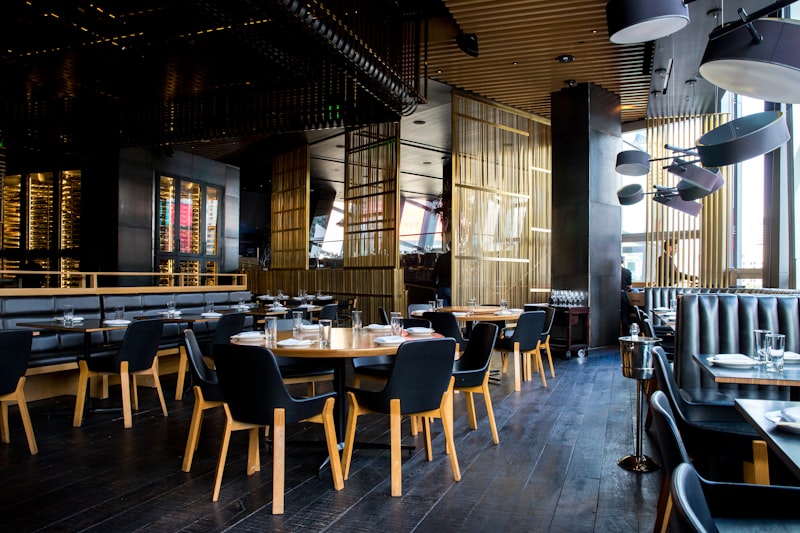 A lean but integrated tech stack beats a complex one with integration gaps
For a new ghost kitchen, here's a recommended starting stack by budget:
Lean stack (under $300/month):
- Square for Restaurants (POS + online ordering)
- Otter (order aggregation)
- Square KDS
Mid-tier stack ($300–600/month):
- Toast POS + Toast Delivery Services
- Deliverect (aggregation + menu management)
- Toast KDS
- MarketMan (inventory)
Enterprise stack ($600+/month):
- Olo (enterprise online ordering)
- ItsaCheckmate (aggregation)
- Dedicated KDS hardware
- Restaurant365 (accounting + analytics)
Conclusion
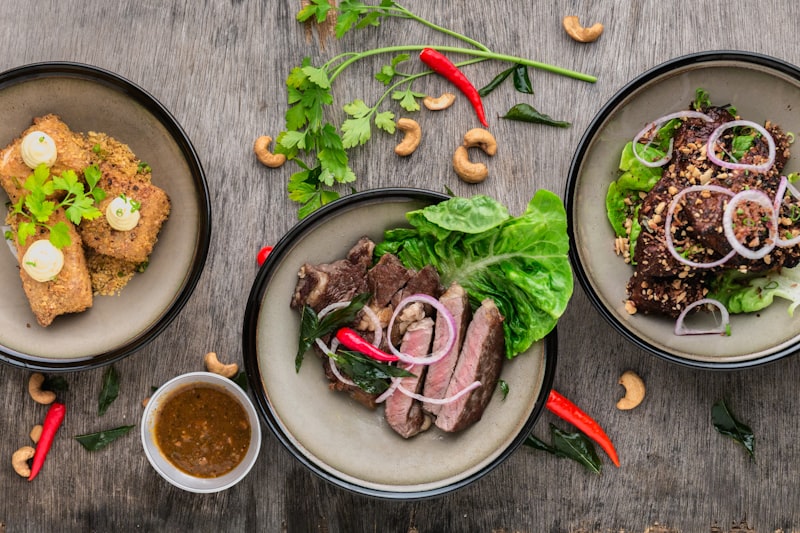 The right tech stack lets you scale virtual brands without adding proportional overhead
Ghost kitchen success isn't just about the food — it's about invisible execution. Orders that flow instantly from platform to kitchen to driver without any manual intervention are what let you run multiple virtual brands from a single kitchen crew.
Start with the essentials: a reliable POS, order aggregation, and a KDS. Once you've validated your concept, add inventory management and analytics to optimize profitability.
The best ghost kitchen tech stack is one your team actually uses consistently. Complexity is the enemy of execution in a high-speed delivery operation.
More Articles
AI-Powered Restaurant Inventory Forecasting: Reduce Waste and Boost Profits
Discover how AI inventory forecasting predicts demand, optimizes orders, and reduces food waste. Machine learning tools for smarter restaurant inventory management.
Appetito Menu Review: Multilingual QR Menus for Restaurants
Complete Appetito Menu review covering multilingual QR menu features, pricing, setup process, and how it compares to Fuudey, Menu Tiger, and alternatives.
Best Free QR Code Menu Generator in 2025 (7+ Reviewed)
We tested 8 free QR code menu generators including Fuudey, QR Menu Creator, Menuu, ScanIt.menu, and more. Full comparison with pricing, features, and honest reviews.