
7 Proven Ways to Increase Restaurant Sales on Slow Days
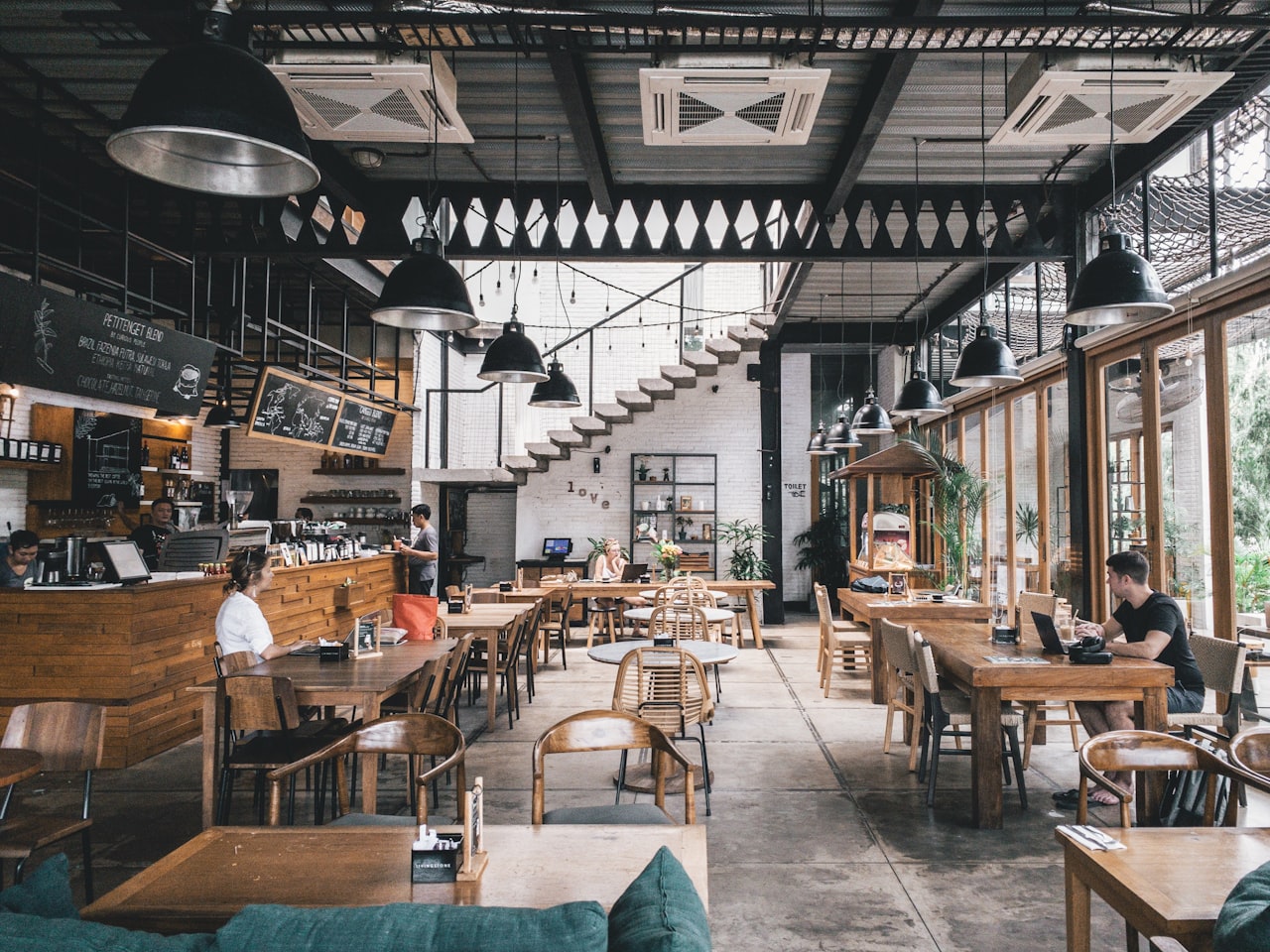
Every restaurant owner knows the pain of slow days. Data across thousands of restaurants shows that Mondays and Tuesdays—followed by Wednesdays—consistently underperform. But here's the good news: some restaurants have cracked the code to increase restaurant sales on slow days, turning their weakest days into profitable ones.
The strategies below come from real restaurant operators who've implemented them successfully. We're talking measurable results—$500, $1,000, even $1,500 in additional daily revenue. Let's dive into the seven best ways to fill those empty tables and boost your sales.
1. Promote Direct Catering Business
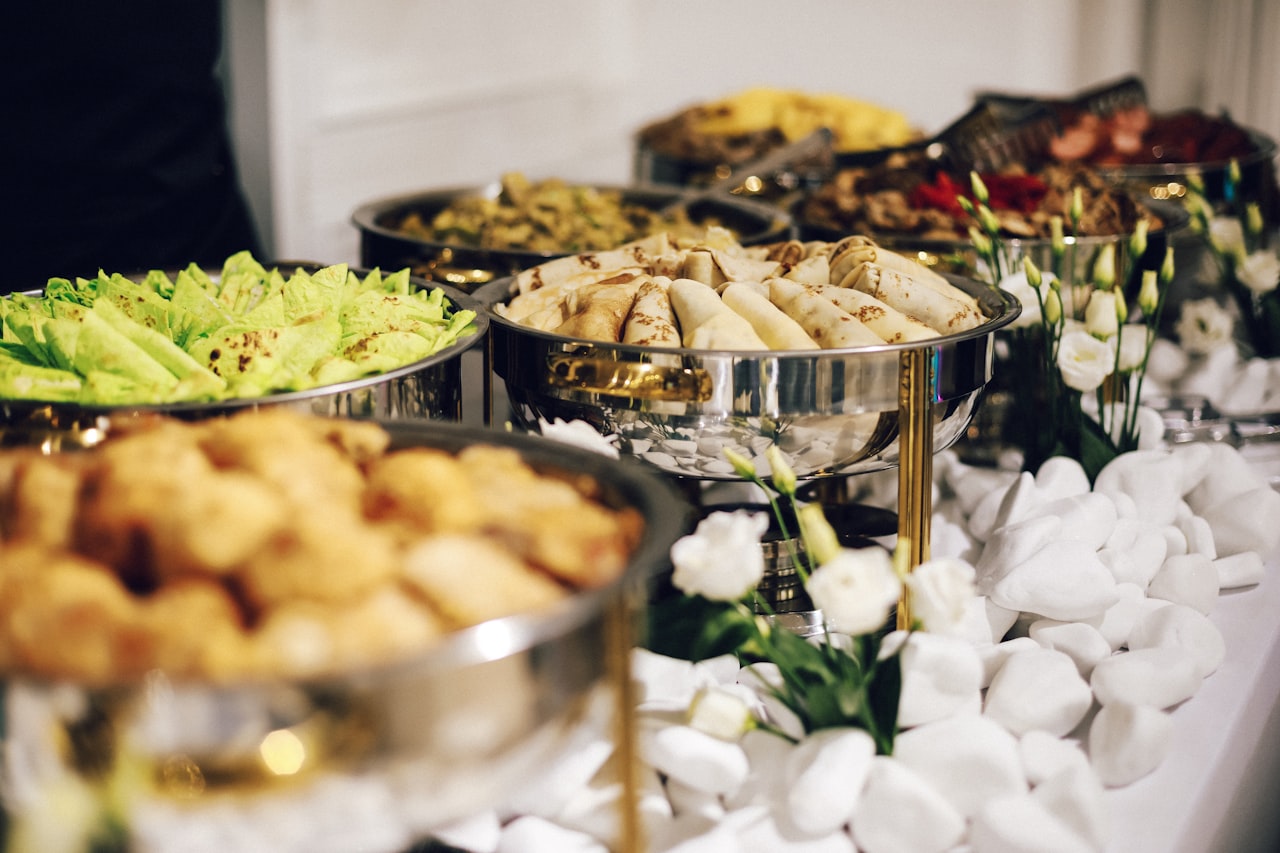 Corporate catering orders are twice as profitable as individual orders due to lower labor costs
Catering is one of the most powerful tools to increase restaurant sales on slow days—and it's twice as profitable as regular orders. Why? Bulk preparation requires significantly less labor per dollar of food sold.
Here's the secret weapon: 65% of all catering orders are corporate orders, and businesses order most heavily on Mondays and Tuesdays. That's exactly when your dining room is emptiest.
Mike Kozlok's success story: Mike owns seven top-performing restaurant concepts including Union Pizza and Hummus Factory in Los Angeles. His locations generate over $50,000 per month in catering alone. His two-part approach:
Technology:
- Built a robust online catering system on his website
- Offers per-person ordering based on headcount
- Integrated third-party delivery networks for catering fulfillment
Promotion:
- Has managers visit local corporations during slow hours
- Offers secretaries and office administrators free samples and gift cards
- Sets up loyalty programs to incentives repeat corporate orders
The key is making it easier to order from you than from platforms like EZCater, which takes 30%+ of every transaction and keeps all your customer data.
2. Create Slow Day Specials
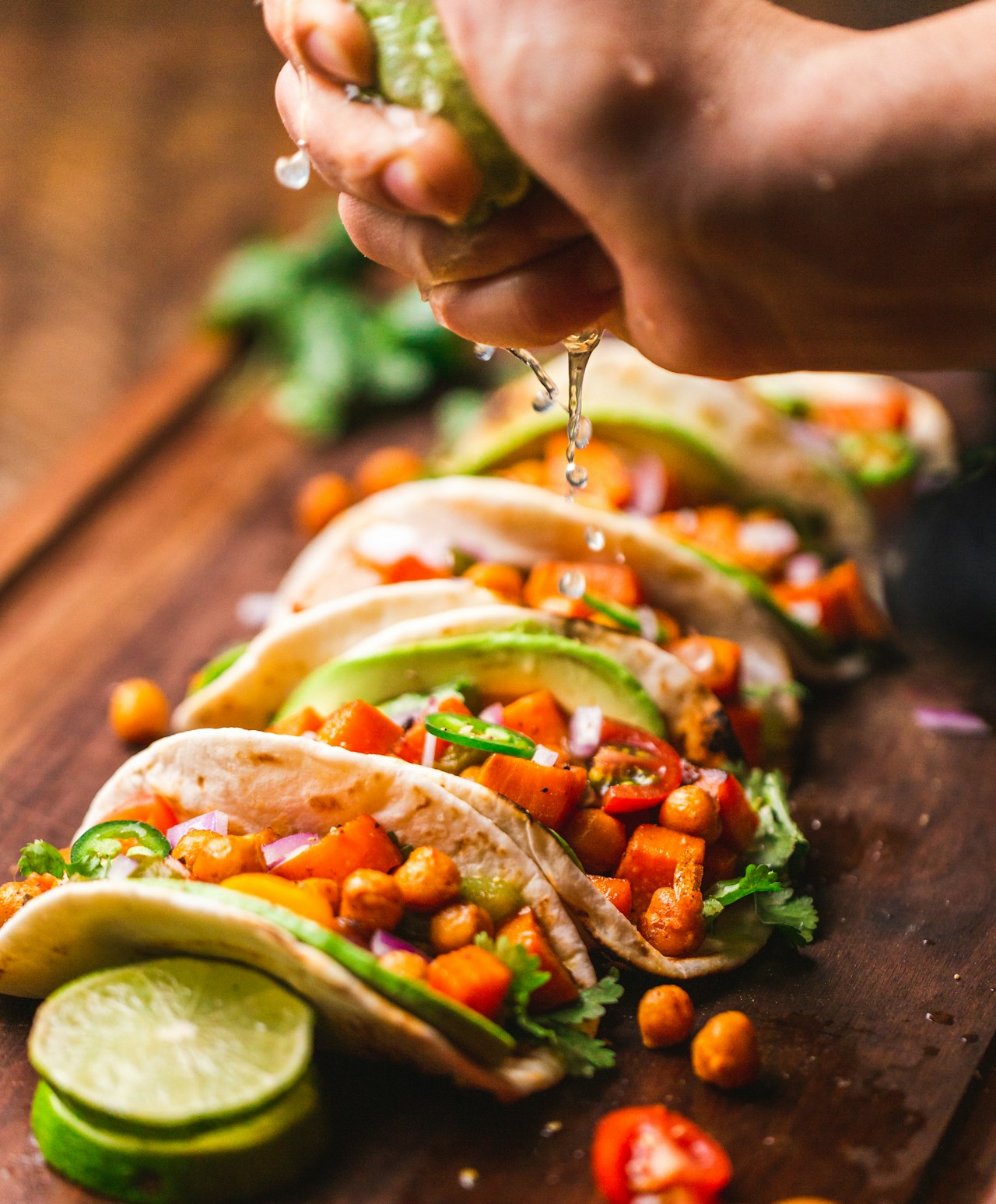 Omar from Talking Tacos increased Tuesday sales by
 $1,500/day with his Taco Tuesday promotion
Creating day-specific promotions gives customers a compelling reason to visit when they otherwise wouldn't. The strategy is simple: pick a popular, high-margin menu item and build a weekly special around it.
Omar's Talking Tacos success story: Omar struggled with slow Mondays and Tuesdays—while still paying full utilities and labor costs. His solution? Taco Tuesday, offering 20% off taco dishes during the slowest hours.
The results speak for themselves: his average Tuesday revenue increased by $1,500 per day. The brilliance? Tacos are famously high-margin with low food costs. Even at 20% off, profits remain strong.
Other proven concepts include:
- Wine Wednesdays for American restaurants
- Mozzarella Mondays for pizzerias
- Margarita Mondays for Mexican spots
The psychology works because customers don't want to miss out on a good deal, and the day-of-week association becomes memorable.
Pro tip: The easiest way to display and update slow-day specials is with a digital menu. Platforms like Fuudey, Menu Tiger, or Square for Restaurants let you update specials in real-time without reprinting anything. For more options, check out our guide on the best QR code menu generators.
3. Set Up Email Automations
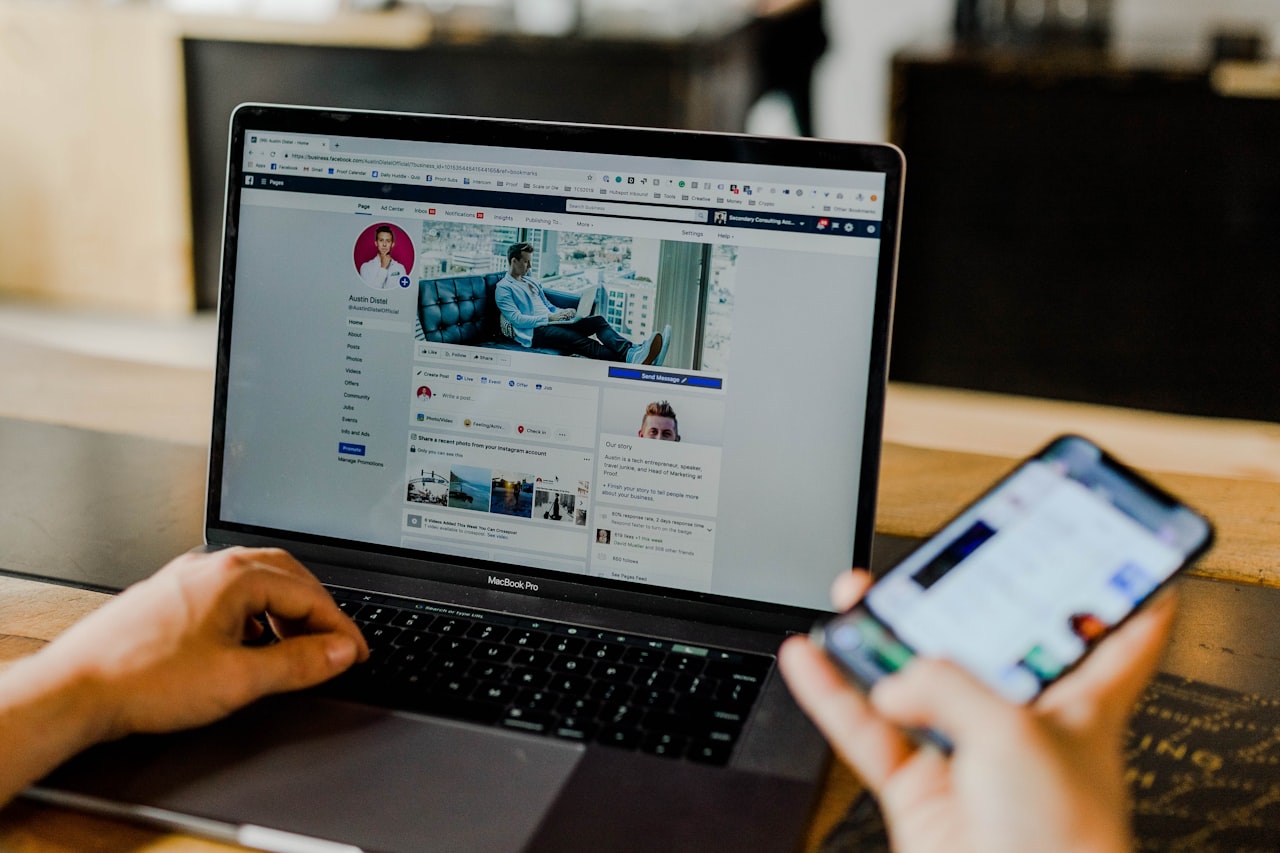 Automated emails remove the guesswork and ensure consistent marketing on slow days
No restaurant owner has time to manually craft and send marketing emails every week. The key is automation—set it once, and let it work on autopilot.
How Omar from Talking Tacos uses email: Every Tuesday afternoon, an automated email goes out reminding customers it's Taco Tuesday. The email:
- Shows fresh images of their seven taco varieties
- Highlights the 20% discount
- Calculates how much customers save vs. ordering through DoorDash or UberEats
- Includes a direct link to order through his website (where the promotion is valid)
This simple automated reminder adds $500 every Tuesday—measurable and consistent. According to Campaign Monitor, restaurant email campaigns see average open rates of 20-25%, making this one of the most cost-effective marketing channels.
The automation can connect to your online ordering system, letting customers reorder their favorites with a single click.
4. Use App Push Notifications
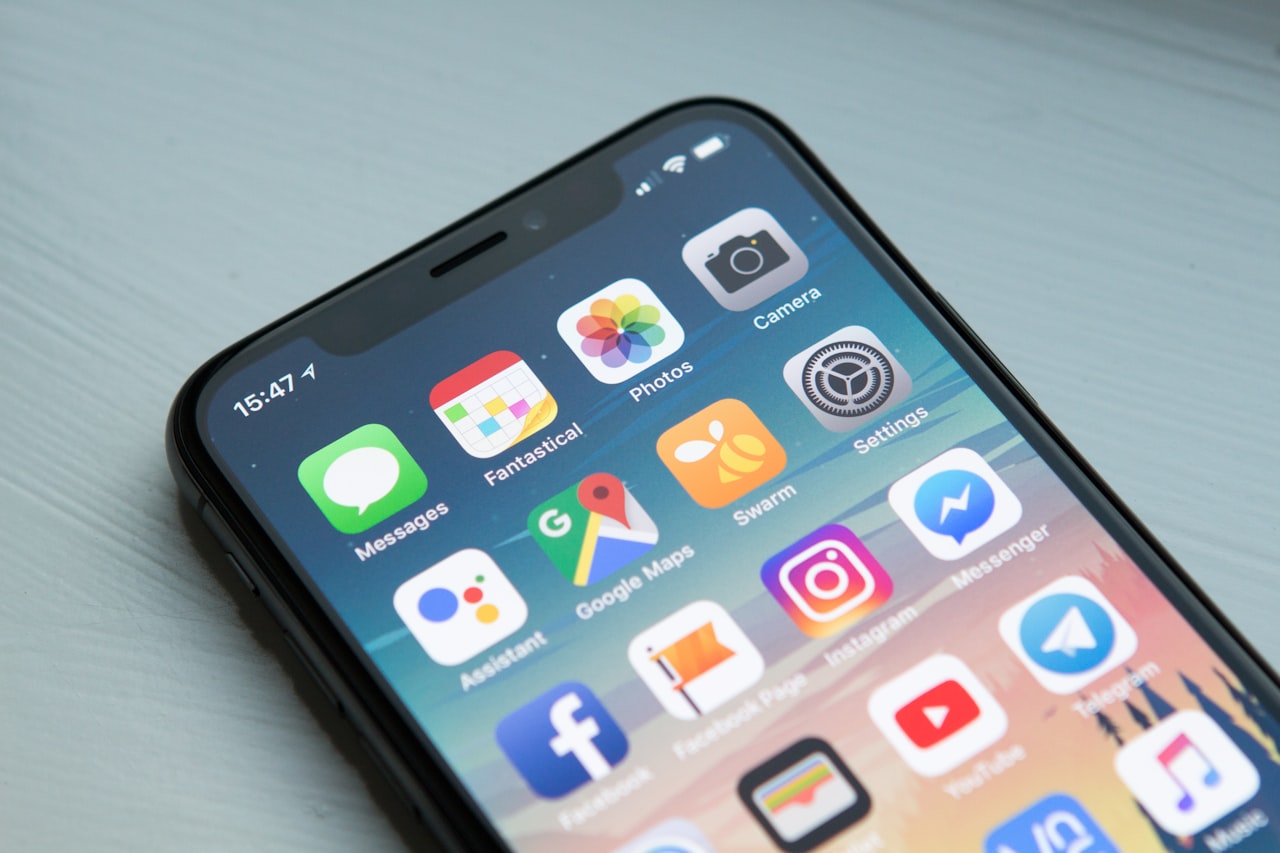 Push notifications have 5x higher click-through rates than email
If you have a restaurant app (or are considering one), push notifications are a goldmine for slow-day promotions. The numbers are compelling:
- 50% of push notifications are seen within 10 minutes of sending
- They have a 5x higher click-through rate than emails
Omar from Talking Tacos also leverages push notifications for Taco Tuesday. The result? An additional $500 per Tuesday from app users—on top of the email-driven revenue.
The beauty of app-based ordering is that customers are already signed in with their preferences saved. They can complete checkout in 30 seconds—just tap "reorder" and their food is being made.
Setting up push notifications is fairly easy these days—we recommend platforms like Fuudey, Olo, or ChowNow which offer push notification features on their free or starter plans.
Braze reports that restaurants using push notifications for promotions see 3-4x higher engagement than email alone.
5. Send Text Message Blasts
 Text marketing drives immediate action with 98% open rates
Text message marketing is perhaps the most direct way to drive same-day sales. SMS has a 98% open rate—compared to 20% for email.
Timarie Shibley's success at Doo Dah Diner: Timarie, owner of Doo Dah Diner in Wichita, Kansas, uses text blasts to drive $1,000 in additional weekly sales on her slow days.
Her strategy is simple:
- Target regulars who've opted into her text list
- Offer a free delivery special for ordering that day
- Include a delivery minimum to protect margins
The limited-time nature creates urgency, and the customers receiving these texts are already fans—they just need a reminder and an incentive. Setting up SMS marketing is easier than ever—platforms like Fuudey, Toast, or Mailchimp offer restaurant-focused SMS tools with free or affordable plans.
6. Host Live Music Nights
 Live entertainment transforms slow nights into memorable experiences that guests share on social media
Live entertainment gives customers a unique reason to visit on traditionally slow nights—and it's often free.
Juliana's Mariachi Mondays at Somos Oaxaca: Juliana built a following on Mondays (traditionally the slowest day for Mexican restaurants) by featuring a local mariachi band. The results transformed her business:
- Monday revenue grew from under
$100to consistently over$300 - Guests post the experience on Instagram, providing free marketing
- The music attracts walk-ins who hear it from the street
The brilliant part? Many talented musicians perform for tips and the exposure. In cities with vibrant music scenes, you can provide entertainment at no cost—just a stage and an audience.
Juliana amplifies this by:
- Posting about Mariachi Monday on Facebook and Instagram
- Sending automated Sunday emails reminding customers
- Building anticipation through consistent scheduling
7. Organize Game Nights
 Game nights build community and turn slow Tuesdays into social events
Game nights work differently than live music. While music creates atmosphere for families and friends to enjoy, game nights build community among neighbors who want to meet each other while enjoying your food.
Nick Fosberg's success at Fozzie's Bar and Grill: Nick created custom bingo decks themed around his community and runs multiple short games during the evening. He credits this strategy with building his "extremely robust Tuesday business."
Plenty of online services let you create custom bingo cards themed to your restaurant or neighborhood. The key insight: many people—especially on Monday and Tuesday nights—are looking for social, engaging activities. Hosting games that let them meet neighbors while enjoying great food fills that need perfectly.
Game night ideas that work:
- Trivia nights with food-themed categories
- Bingo with themed prizes (free appetizers, discounts)
- Board game nights with loaner games
- Poker tournaments (where legal)
Conclusion
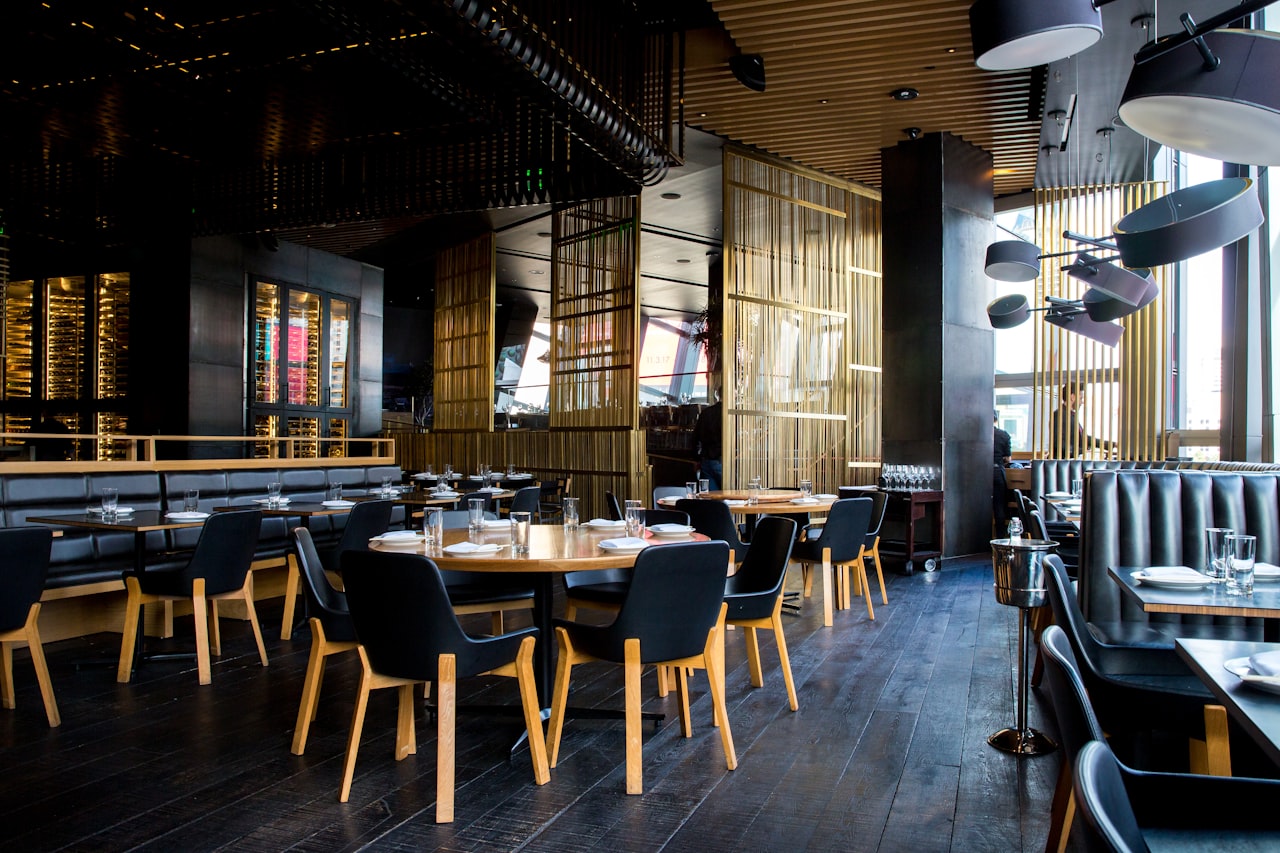 With the right strategies, every day can be a strong sales day
Slow days don't have to stay slow. The seven strategies above have been proven by real restaurant operators to add anywhere from $300 to $1,500+ in daily revenue:
- Direct catering captures corporate orders on your slowest days
- Day-specific specials give customers a reason to remember you
- Email automations remind them without requiring your time
- Push notifications reach customers instantly with higher engagement
- Text marketing drives immediate action with 98% open rates
- Live music creates shareable experiences that attract new guests
- Game nights build community and fill otherwise empty evenings
The common thread? Make it easy to order from you directly. Whether it's a QR menu, mobile app, or online ordering system, capturing orders through your own channels—rather than third-party platforms—keeps more money in your pocket.
Ready to implement these strategies? Platforms like Fuudey, Square for Restaurants, and Toast offer online ordering, automated marketing, and loyalty programs designed specifically for restaurants looking to boost slow-day sales.
Frequently Asked Questions
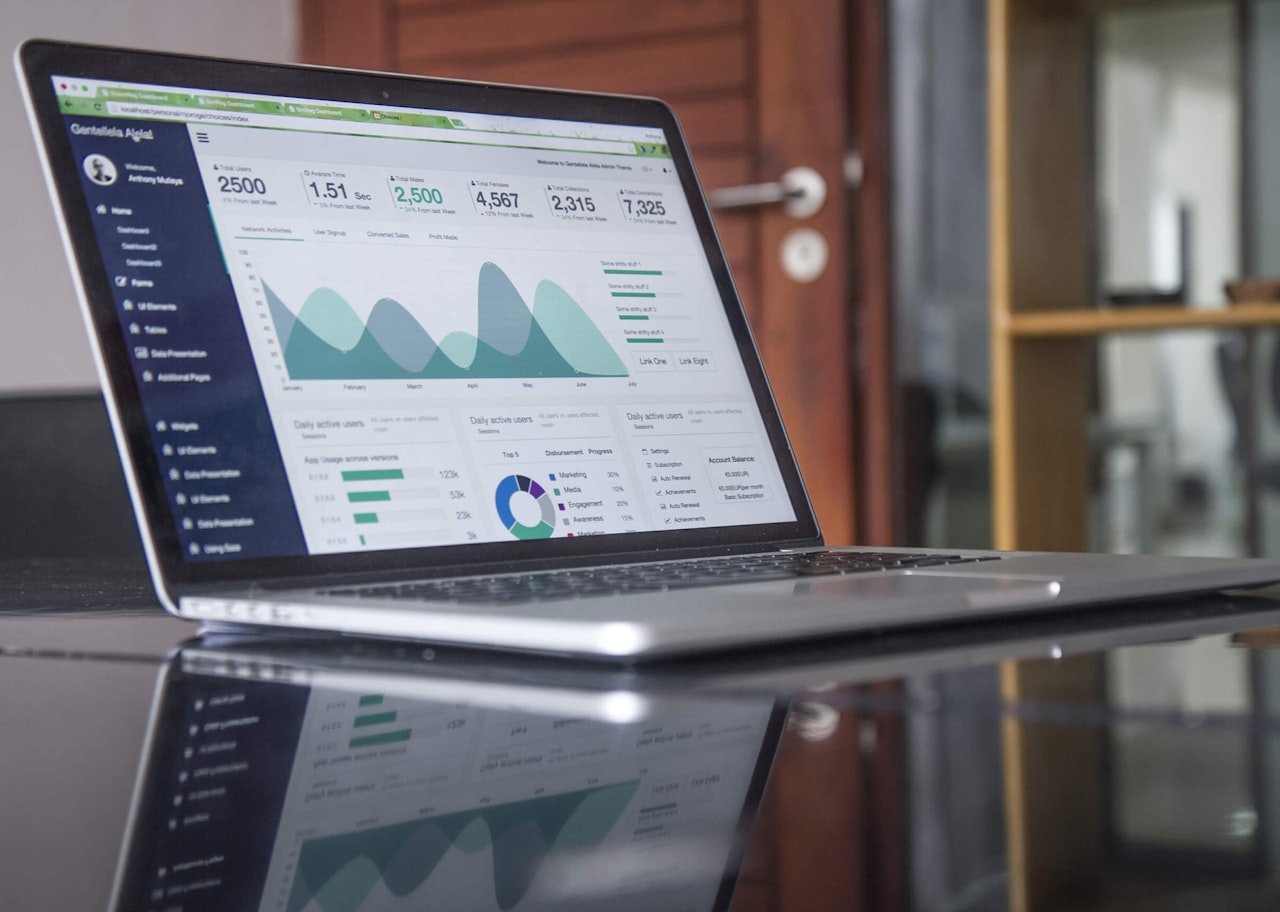 Understanding your slow-day patterns is the first step to fixing them
What are the slowest days for restaurants?
Data across thousands of restaurants consistently shows that Mondays and Tuesdays are the slowest days, followed by Wednesdays. This pattern holds across most restaurant concepts, though local factors and specific cuisines can vary.
How much can slow-day promotions increase sales?
Based on the real examples in this article, restaurants have seen increases of $500-``$1,500 per slow day using these strategies. Omar from Talking Tacos added $1,500 per Tuesday with Taco Tuesday specials, while Timarie from Doo Dah Diner generates $1,000 weekly through text marketing alone.
Is catering worth pursuing for small restaurants?
Absolutely. Catering is twice as profitable as individual orders because bulk preparation requires less labor. Even small restaurants can start with local offices—65% of catering orders are corporate, and businesses order most on your slowest days (Mondays and Tuesdays).
How do I start email and text marketing for my restaurant?
Start by collecting customer contact information through your online ordering system, WiFi login, or loyalty program. Platforms like Fuudey, Mailchimp, and Constant Contact integrate with restaurant systems to make setting up recurring campaigns for slow-day specials easy.
Do I need a restaurant app for push notifications?
While a dedicated app maximizes push notification effectiveness (50% are seen within 10 minutes), you can start with web push notifications through your ordering platform. As your customer base grows, a branded app becomes a worthwhile investment for the 5x higher engagement rate compared to email.
More Articles
AI-Powered Restaurant Inventory Forecasting: Reduce Waste and Boost Profits
Discover how AI inventory forecasting predicts demand, optimizes orders, and reduces food waste. Machine learning tools for smarter restaurant inventory management.
Appetito Menu Review: Multilingual QR Menus for Restaurants
Complete Appetito Menu review covering multilingual QR menu features, pricing, setup process, and how it compares to Fuudey, Menu Tiger, and alternatives.
Best Free QR Code Menu Generator in 2025 (7+ Reviewed)

We tested 8 free QR code menu generators including Fuudey, QR Menu Creator, Menuu, ScanIt.menu, and more. Full comparison with pricing, features, and honest reviews.