
How to Reduce Third-Party Delivery Fees for Your Restaurant
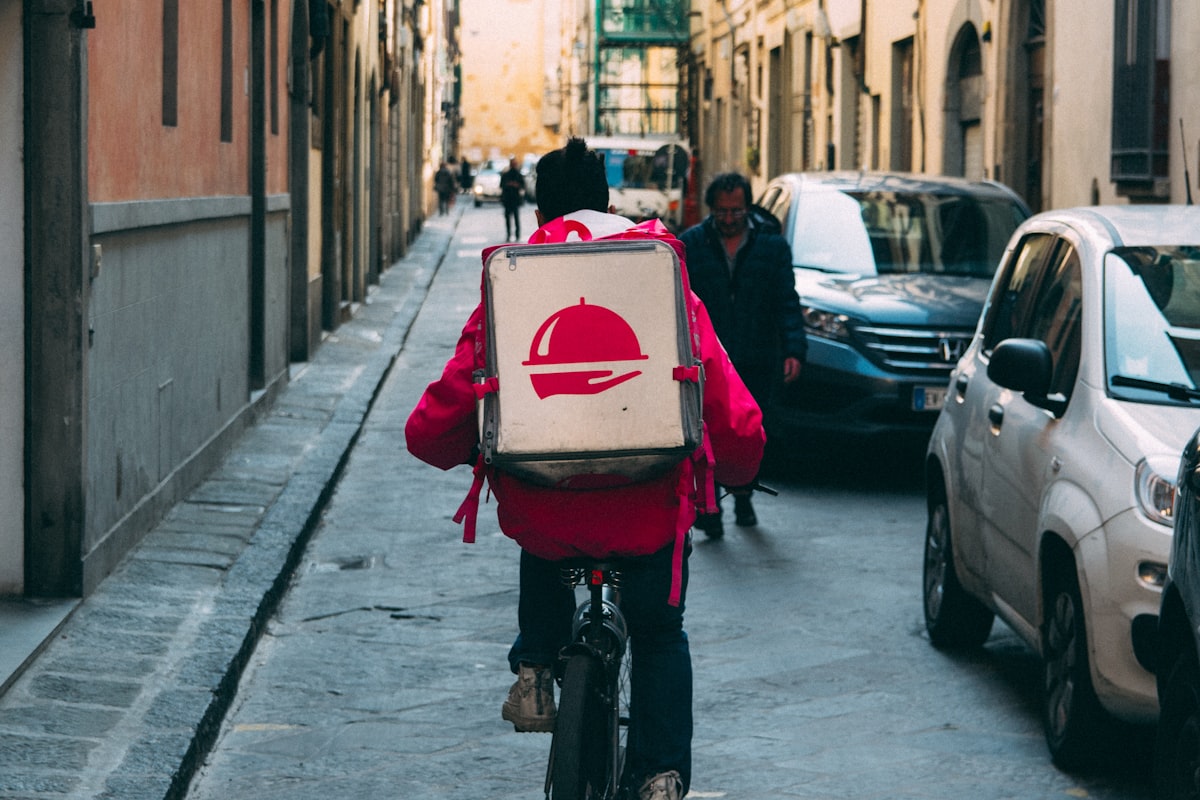
Third-party delivery apps are eating your profits. DoorDash, UberEats, and Grubhub charge 15-30% commission on every order — and for restaurants operating on 5-10% margins, that math doesn't work.
Here's how to reduce those fees without losing delivery revenue.
The Real Cost of Delivery Commissions
 Each delivery order loses 15-30% to platform commissions before food costs
What Apps Actually Charge
| Platform | Commission | Additional Fees |
|---|---|---|
| DoorDash | 15-30% | Tablet, marketing |
| UberEats | 15-30% | Surge pricing |
| Grubhub | 15-34% | Marketing tiers |
| Postmates | 15-30% | Similar to Uber |
A Real Example
On a $50 delivery order:
- Food cost (30%):
$15 - Commission (25%):
$12.50 - Packaging:
$2 - Remaining:
$20.50
If your overhead runs 60% of in-house revenue, you're breaking even or losing money on every delivery order.
The Hidden Costs
Beyond commissions:
- Tablet rental fees (
$6/week per platform) - Marketing fees for visibility
- Chargebacks for customer complaints
- Staff time managing multiple platforms
- Menu and pricing complexity
Strategy 1: Negotiate Lower Rates
 High-volume restaurants have leverage to negotiate better rates
Delivery apps don't advertise it, but rates are negotiable for the right restaurants.
When You Have Leverage
- High order volume — 100+ orders/week per platform
- High average ticket —
$30+per order - Local market importance — Popular restaurants in your area
- Exclusivity willingness — Willing to prioritize one platform
How to Negotiate
- Track your metrics — Know your order volume, average ticket, and current rates
- Request a call — Ask to speak with your account manager
- Present your value — Show your volume and customer ratings
- Ask for lower commission — Start by asking for 5-10% reduction
- Consider exclusivity — Some platforms offer lower rates for exclusivity
- Get it in writing — Ensure any new rates are documented
Realistic Expectations
- New restaurants: Little leverage
- Medium volume (50-100 orders/week): Minor reductions possible
- High volume (200+ orders/week): Significant reductions possible
- Top performers: Custom enterprise rates
Strategy 2: Build Direct Ordering
 Building your own ordering channel
The most effective long-term strategy: get customers ordering directly from you.
Why Direct Ordering Works
- 0% commission (just payment processing, typically 2.6%)
- You own customer data (for marketing)
- Better customer relationships
- Higher margins on every order
How to Build Direct Ordering
Option 1: POS-integrated
- Square Online (free with Square)
- Toast Online Ordering (
$75+/month) - Lightspeed eCom
Option 2: Standalone platforms
- GloriaFood (free)
- Fuudey (free tier)
- ChowNow (
$149/month)
Option 3: QR code ordering
- Point customers to your direct ordering
- See QR menu options
Full guide to commission-free ordering
Convert Customers to Direct
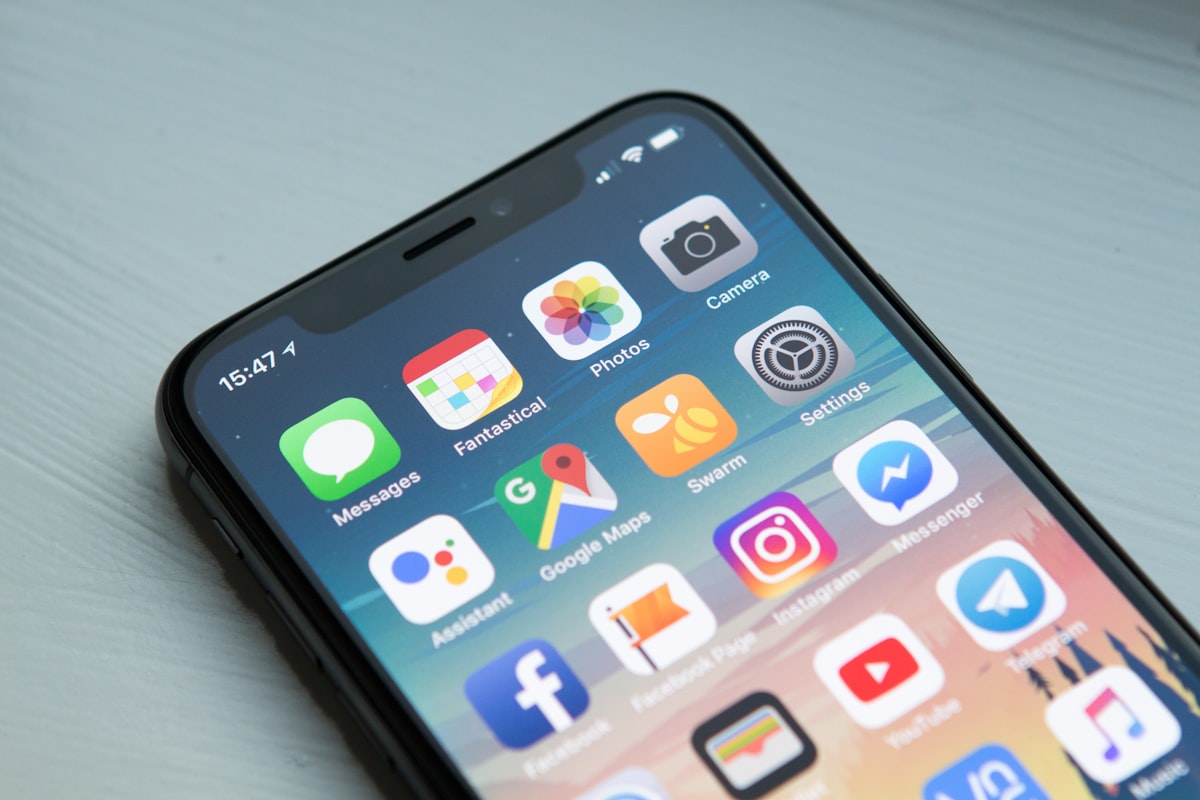 Give customers incentives to order directly from your website or app
- Insert flyers in delivery bags — "Order direct, get 10% off"
- Create a loyalty program — Only available for direct orders
- Offer exclusive items — "Website-only specials"
- Provide better service — Faster, more accurate, with personal touches
- Mention it everywhere — Social media, signage, staff scripts
Strategy 3: Raise Delivery Prices
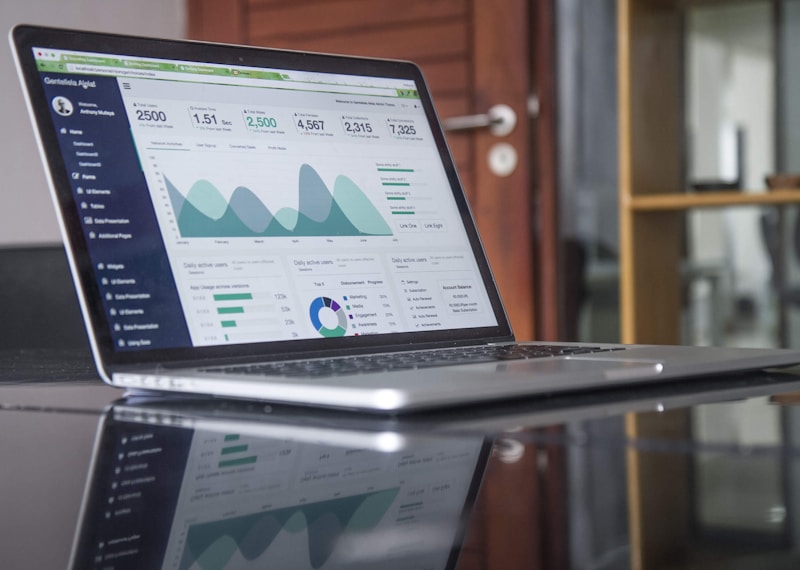 Strategic pricing for delivery profitability
Most restaurants charge the same prices on delivery apps as in-house. That's a mistake.
Why Higher Delivery Prices Make Sense
- Commission is a cost of that channel
- Customers expect delivery to cost more
- Apps allow menu price differences
- Protects your in-house margins
How Much to Raise
- Conservative: 10-15% markup
- Moderate: 15-20% markup
- Aggressive: 20-30% markup
Test and monitor order volume. Many restaurants find minimal impact on orders with 15-20% markups.
Implementation Tips
- Round to clean numbers (
$12.99 becomes$14.99) - Keep menu consistent across apps
- Don't mark up low-margin items further (drinks already low margin)
Strategy 4: Use DoorDash Drive / Uber Direct
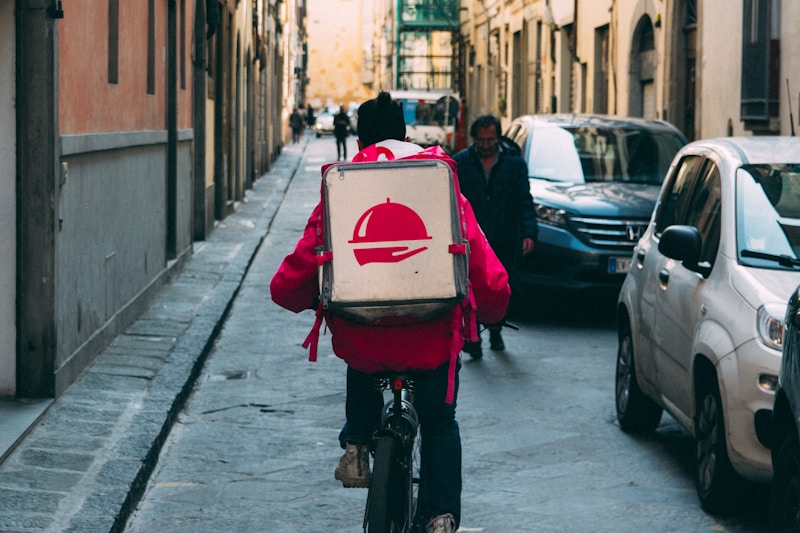 Using delivery logistics without the marketplace
If you need delivery logistics but not the marketplace, consider delivery-only services.
 Delivery-only services handle drivers without marketplace commissions
How It Works
- Customers order from your website/app
- DoorDash Drive or Uber Direct sends a driver
- You pay per-delivery fee (~
$7-10) instead of commission
Cost Comparison
On a $50 order:
- Marketplace (25%):
$12.50 commission - Delivery-only:
$7-10flat fee
Savings: $2.50-5.50 per order
When to Use
- You have direct ordering set up
- Order values average
$30+ - You can't/won't hire your own drivers
Strategy 5: In-House Delivery
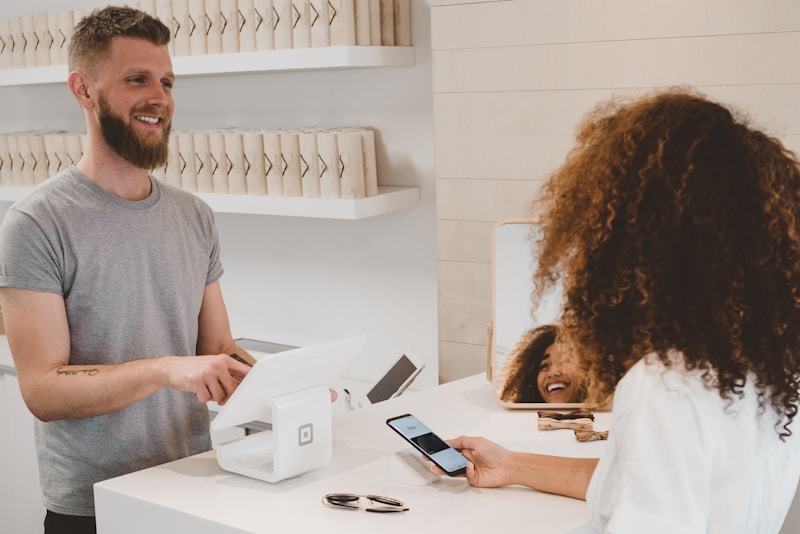 Building your own delivery team
For high-volume restaurants, hiring your own delivery staff can be cheaper than app commissions.
The Math
Option A: DoorDash (25% commission)
- 100 orders/week ×
$40average × 25% =$1,000/week commission
Option B: In-house driver
- 25 hours ×
$18/hour =$450/week labor - Vehicle/mileage costs: ~
$150/week - Total: ~
$600/week
Savings: $400/week or $20,000/year
Requirements
- Consistent delivery volume
- Defined delivery zone
- Driver management capacity
- Vehicle (or driver with vehicle)
Strategy 6: Pickup Focus
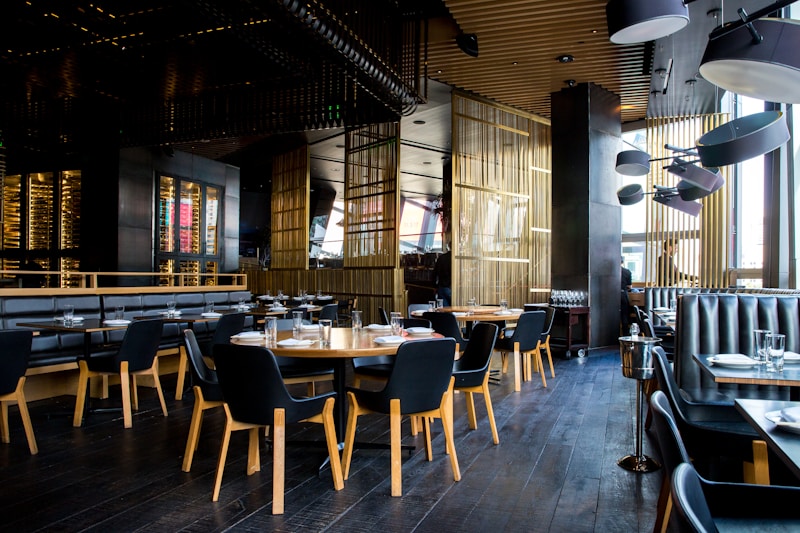 Shifting customers toward pickup orders
Sometimes the simplest solution is to push pickup over delivery.
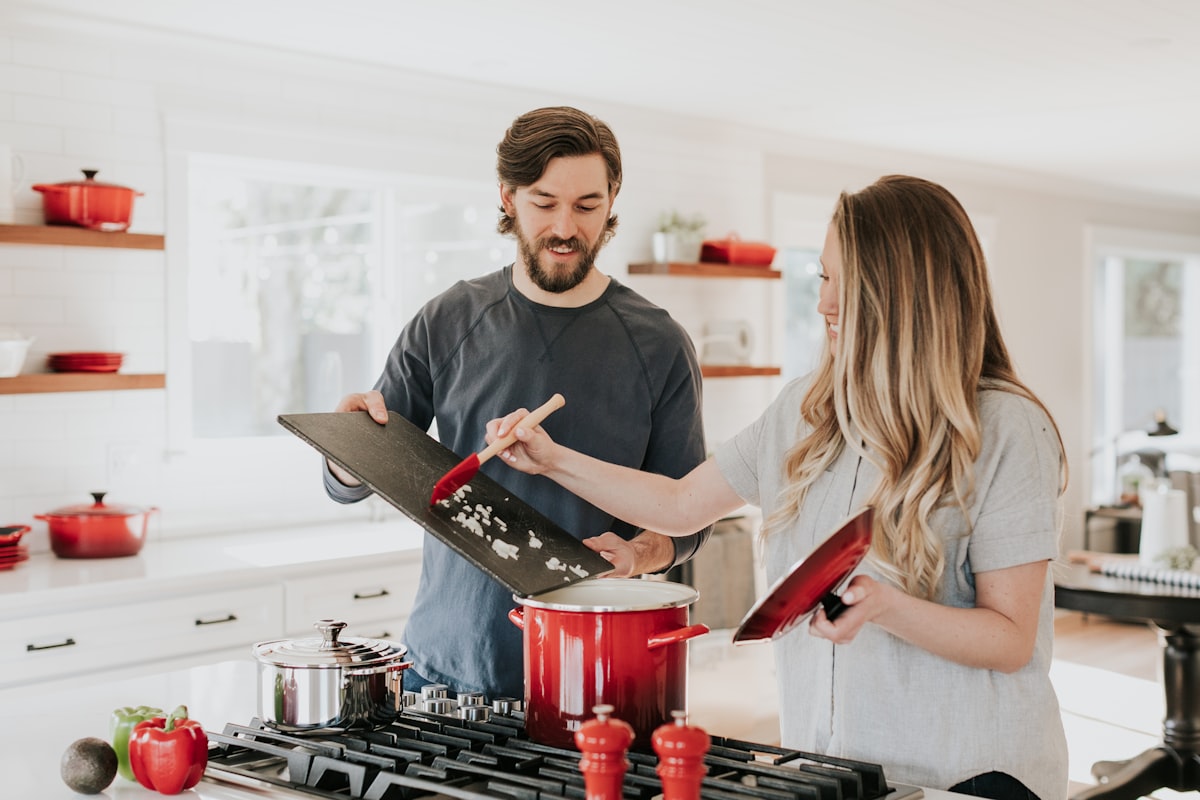 Pickup orders have no delivery fees or logistics to manage
Why Pickup Works
- 0% delivery commission
- No delivery logistics
- Faster customer experience
- Better food quality (no driver wait time)
How to Encourage Pickup
- Discount pickup orders — 10-15% off vs. delivery
- Curbside pickup — Make it convenient
- Ready notifications — Text when order is ready
- Dedicated pickup spots — Quick in-and-out experience
- Order-ahead focus — Skip-the-line convenience
Strategy 7: Optimize Your Delivery Menu
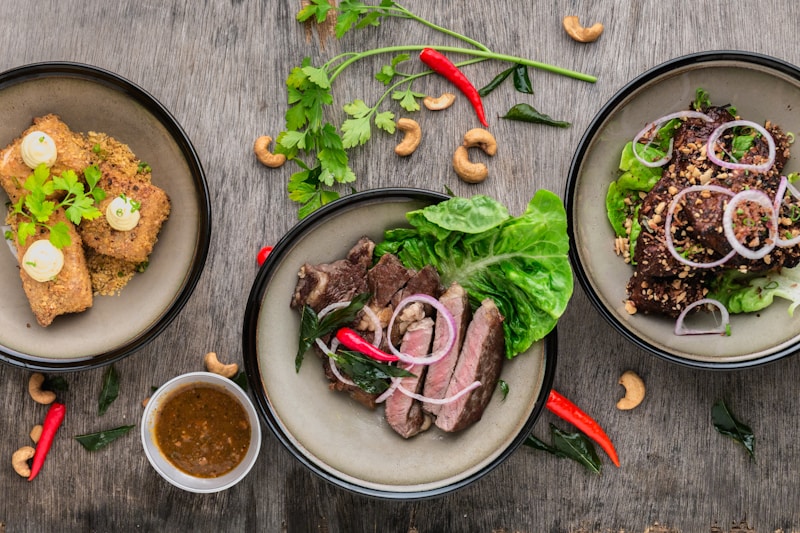 Curating your menu for delivery profitability
Not every menu item is profitable for delivery. Curate your delivery menu for profitability.
Items to Feature
- High-margin items — Better commission absorption
- Travel-well items — Fewer complaints and refunds
- Combo deals — Higher average ticket
- Exclusive items — Unique to delivery
Items to Reconsider
- Low-margin items where commission hurts most
- Items that don't travel well
- Complex items with high error rates
- Items that take too long (delays hurt ratings)
Strategy 8: Hybrid Approach
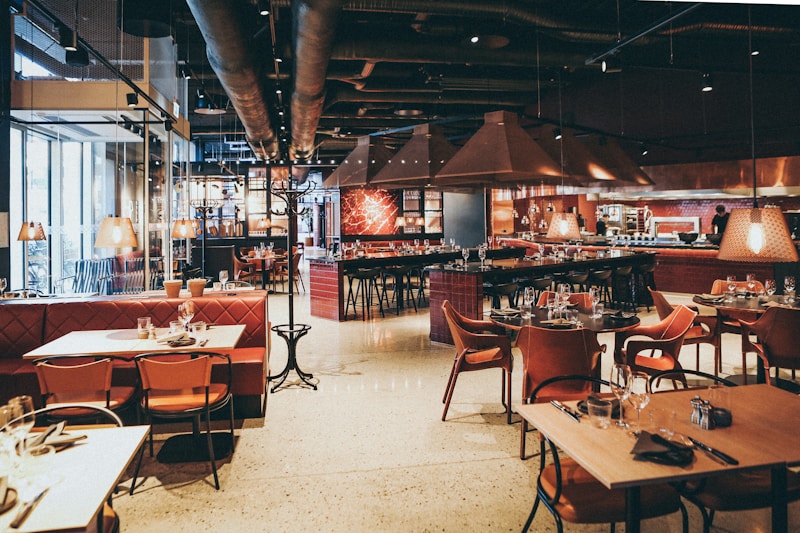 Combining strategies for maximum savings
Most successful restaurants use a combination of strategies:
The Optimal Mix
- Keep delivery apps for discovery and new customers
- Build direct ordering for recurring customers
- Raise delivery prices to protect margins
- Incentivize direct with discounts and loyalty
- Push pickup where possible
Implementation Timeline
Month 1:
- Raise delivery prices 15%
- Set up direct ordering (GloriaFood or Fuudey)
- Create "order direct" flyers for bags
Month 2:
- Launch direct ordering
- Begin flyer distribution
- Start social media promotion
Month 3:
- Launch loyalty program (direct only)
- Analyze order channel mix
- Optimize based on data
Ongoing:
- Monthly review of channel economics
- Continuous promotion of direct ordering
- Negotiate with apps annually
Frequently Asked Questions
 Common questions about reducing delivery fees
Will raising delivery prices hurt my volume?
Some volume loss is expected, but usually less than feared. Many restaurants report 10-15% volume decrease with 15-20% price increase — still a net profit win.
Should I leave delivery apps entirely?
For most restaurants, no. Apps provide valuable discovery. The goal is to reduce dependence, not eliminate entirely.
What if I'm in an exclusive contract?
Review your contract terms. Many "exclusive" arrangements are actually preferred partnerships. If truly exclusive, negotiate at renewal.
How do I handle customer complaints about higher prices?
You don't set delivery prices — the platform does. If customers complain, point them to your direct ordering for better prices.
Which direct ordering platform is best?
GloriaFood for free, Fuudey for ordering + payments. See our full comparison.
Conclusion
Reducing delivery fees requires a multi-pronged strategy
Third-party delivery commissions don't have to eat your profits. With the right combination of negotiation, direct ordering, pricing strategy, and pickup focus, you can dramatically improve delivery economics.
Start today:
- Raise delivery prices 15%
- Set up free direct ordering
- Add "order direct" flyers to bags
- Review results monthly
The restaurants winning at delivery aren't avoiding it — they're controlling the economics.
More Articles
AI-Powered Restaurant Inventory Forecasting: Reduce Waste and Boost Profits
Discover how AI inventory forecasting predicts demand, optimizes orders, and reduces food waste. Machine learning tools for smarter restaurant inventory management.
Appetito Menu Review: Multilingual QR Menus for Restaurants
Complete Appetito Menu review covering multilingual QR menu features, pricing, setup process, and how it compares to Fuudey, Menu Tiger, and alternatives.
Best Free QR Code Menu Generator in 2025 (7+ Reviewed)
We tested 8 free QR code menu generators including Fuudey, QR Menu Creator, Menuu, ScanIt.menu, and more. Full comparison with pricing, features, and honest reviews.