
Restaurant Loyalty Programs: Complete Setup Guide (2025)
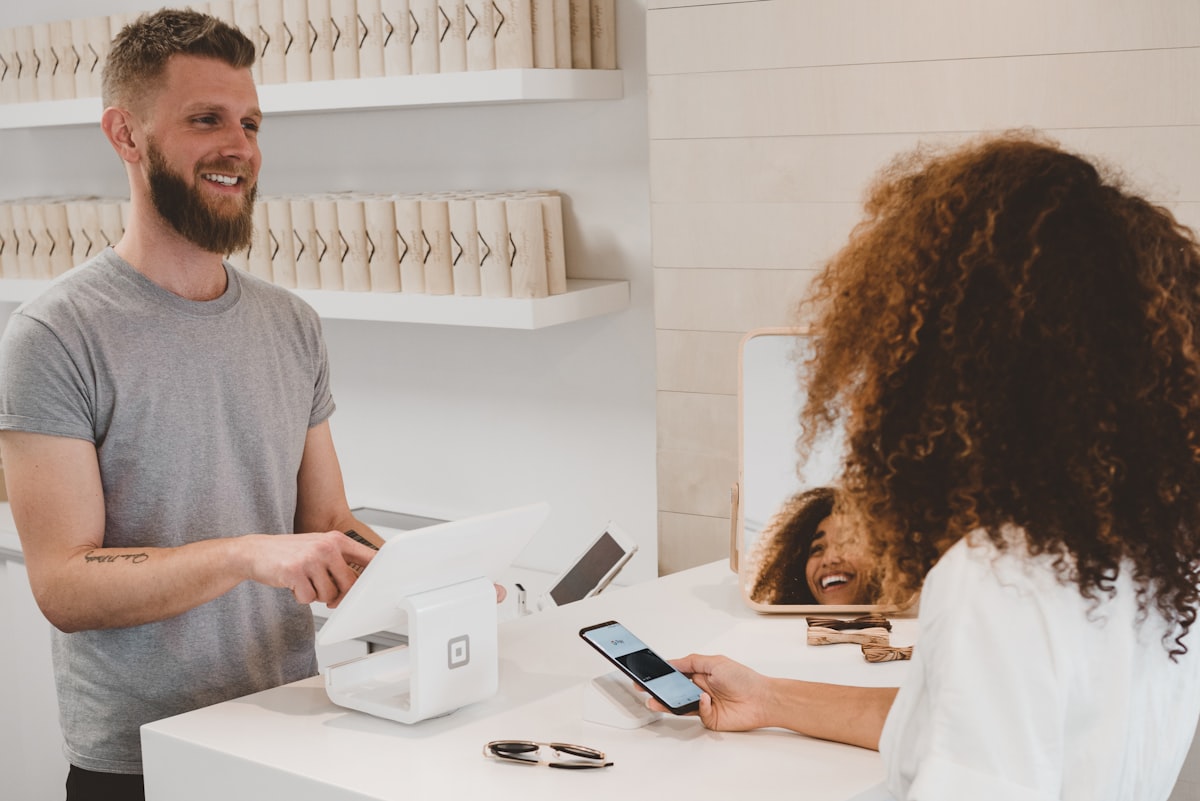
Acquiring a new customer costs 5-7x more than retaining an existing one. A well-designed loyalty program turns occasional visitors into regulars — but the wrong program just adds cost without driving results.
Here's how to build a restaurant loyalty program that actually works.
Why Loyalty Programs Matter
 Loyalty programs turn occasional visitors into regular customers
The Numbers
- Repeat customers spend 67% more than new customers
- Loyalty members visit 35% more often than non-members
- Top 20% of customers drive 80% of revenue
- 5% increase in retention = 25-95% increase in profits
What Loyalty Programs Do
- Encourage repeat visits — Rewards give reasons to return
- Increase spend per visit — Customers add items to earn points
- Capture customer data — Email, phone for marketing
- Differentiate from competitors — Why choose you over alternatives
- Create emotional connection — Customers feel valued
Types of Loyalty Programs
 Different loyalty program models for restaurants
Points-Based
Customers earn points per dollar spent, redeem for rewards.
Example: 1 point per $1 → 100 points = $10 off
Pros: Simple to understand, flexible rewards
Cons: Can feel slow to earn
Punch Card (Visit-Based)
Traditional "buy X, get one free" model.
Example: Buy 10 coffees, get 11th free
Pros: Very simple, clear goal
Cons: No spend incentive, easy to game
Tiered
Different benefit levels based on spending.
Example: Bronze (0-$500), Silver ($500-1500), Gold ($1500+)
Pros: Encourages higher spending, status motivation
Cons: More complex, may exclude casual customers
Cashback
Automatic credit based on spending.
Example: 5% back on every purchase
Pros: Instant gratification, simple
Cons: Lower perceived value, less excitement
Top Loyalty Program Platforms
 Best loyalty program software for restaurants
1. Square Loyalty — Best for Square Users
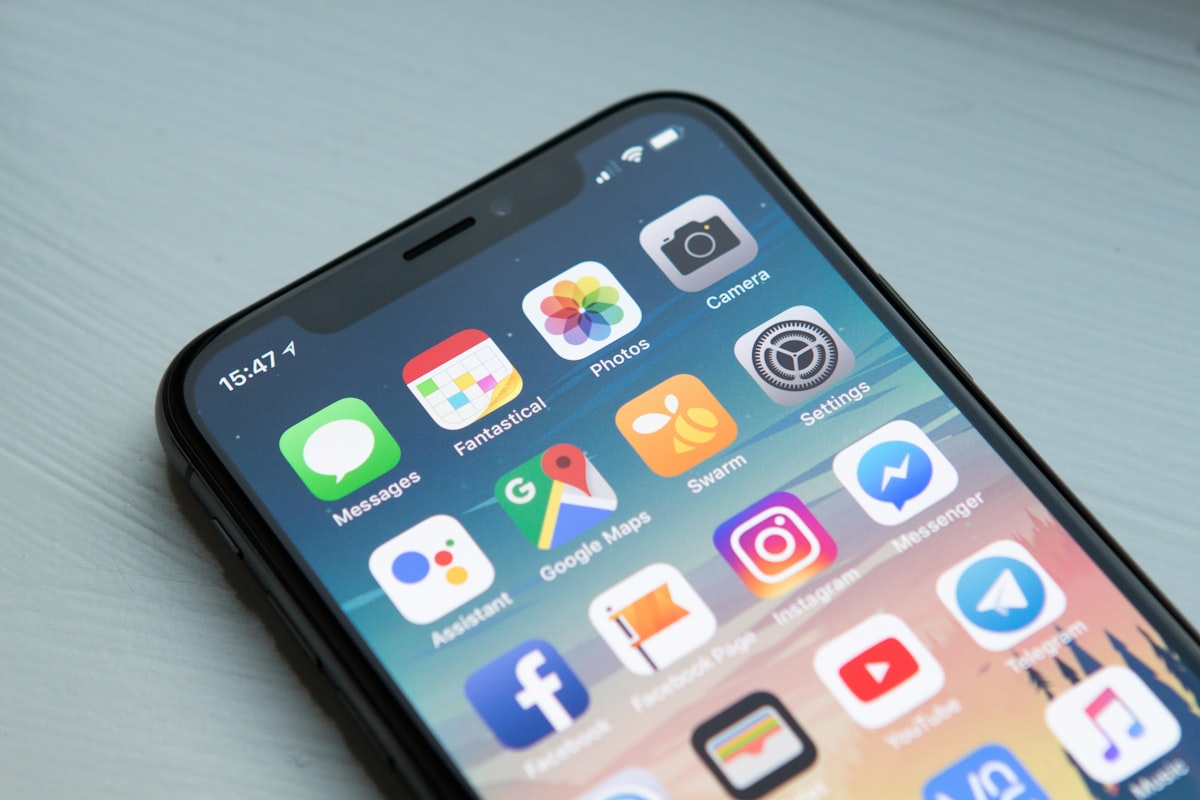 Square Loyalty integrates directly with Square POS for seamless operation
Price: $45/month per location
POS Integration: Square only
Square Loyalty works seamlessly with Square for Restaurants, making it the obvious choice for Square users.
Features:
- Points or visits-based programs
- Automatic enrollment at checkout
- Customer text/email reminders
- Reward customization
- Basic analytics
- Works with Square marketing
Pros:
- Tight POS integration
- Easy setup
- Affordable
- Automatic tracking
Cons:
- Square only
- Basic features
- Limited customization
Best for: Square POS users wanting simple loyalty
2. Toast Loyalty — Best for Toast Users
Price: $50-99/month
POS Integration: Toast only
Toast's loyalty program integrates with their POS and marketing tools.
Features:
- Points-based rewards
- Tiered programs available
- Email/SMS marketing integration
- Customer insights
- Online ordering integration
Pros:
- Full Toast integration
- Combined with marketing
- Good analytics
Cons:
- Toast only
- More expensive
- Requires Toast ecosystem
Best for: Toast POS users
3. FiveStars — Best Standalone Option
Price: ~$200-400/month
POS Integration: Multiple (Square, Clover, others)
FiveStars is one of the largest restaurant loyalty platforms, working with multiple POS systems.
Features:
- Points, visits, or hybrid programs
- Tablet at checkout for enrollment
- Marketing automation
- Multi-location support
- Customer analytics
- Reviews integration
Pros:
- Works with many POS systems
- Strong marketing features
- Established platform
Cons:
- Higher cost
- Tablet required at counter
- Can be complex
Best for: Multi-location or serious about loyalty
4. Thanx — Best for Chains
Price: Custom (typically $300+/month)
POS Integration: Multiple
Thanx focuses on larger restaurant groups with sophisticated needs.
Features:
- Credit card-linked loyalty
- No app required for customers
- Advanced segmentation
- Personalized offers
- Detailed analytics
Pros:
- Seamless customer experience
- Advanced features
- Enterprise-ready
Cons:
- Expensive
- Overkill for small restaurants
- Complex setup
Best for: Restaurant chains
5. Stamp Me — Budget Option
Price: $24-79/month
POS Integration: Limited (mostly standalone)
Stamp Me offers affordable digital punch cards.
Features:
- Digital punch cards
- Customer app
- Basic analytics
- QR code scanning
- Custom branding
Pros:
- Very affordable
- Simple to use
- Good for punch card fans
Cons:
- Limited POS integration
- Basic features
- Manual tracking often needed
Best for: Small restaurants wanting digital punch cards
Comparison Table
 Side-by-side comparison of loyalty platforms
| Platform | Monthly Cost | POS Integration | Best For |
|---|---|---|---|
| Square Loyalty | $45 | Square only | Square users |
| Toast Loyalty | $50-99 | Toast only | Toast users |
| FiveStars | $200-400 | Multiple | Multi-location |
| Thanx | $300+ | Multiple | Chains |
| Stamp Me | $24-79 | Limited | Budget |
Designing Your Loyalty Program
 Steps to create an effective loyalty program
Step 1: Choose Your Structure
 Match your loyalty structure to your customer behavior
For cafés/frequent visits: Punch card (buy 10, get 1 free)
For casual dining: Points-based (1 point per $1)
For high-end restaurants: Tiered (VIP perks for top spenders)
Step 2: Set Reward Thresholds
Balance attainability with profitability:
Too easy: 50 points ($50 spend) for $10 off = 20% discount (too expensive)
Too hard: 500 points ($500 spend) for $10 off = 2% (not motivating)
Sweet spot: 100-150 points for $10 off = 6-10% effective discount
Step 3: Define Rewards
Options beyond discounts:
- Free items (popular menu items)
- Exclusive menu access
- Priority seating
- Free delivery
- Birthday rewards
- Early access to new items
Step 4: Plan Enrollment
Make signup frictionless:
- At checkout (POS prompt)
- Phone number only (no app required)
- Incentivize signup (bonus points)
- Train staff to mention it
Step 5: Marketing Integration
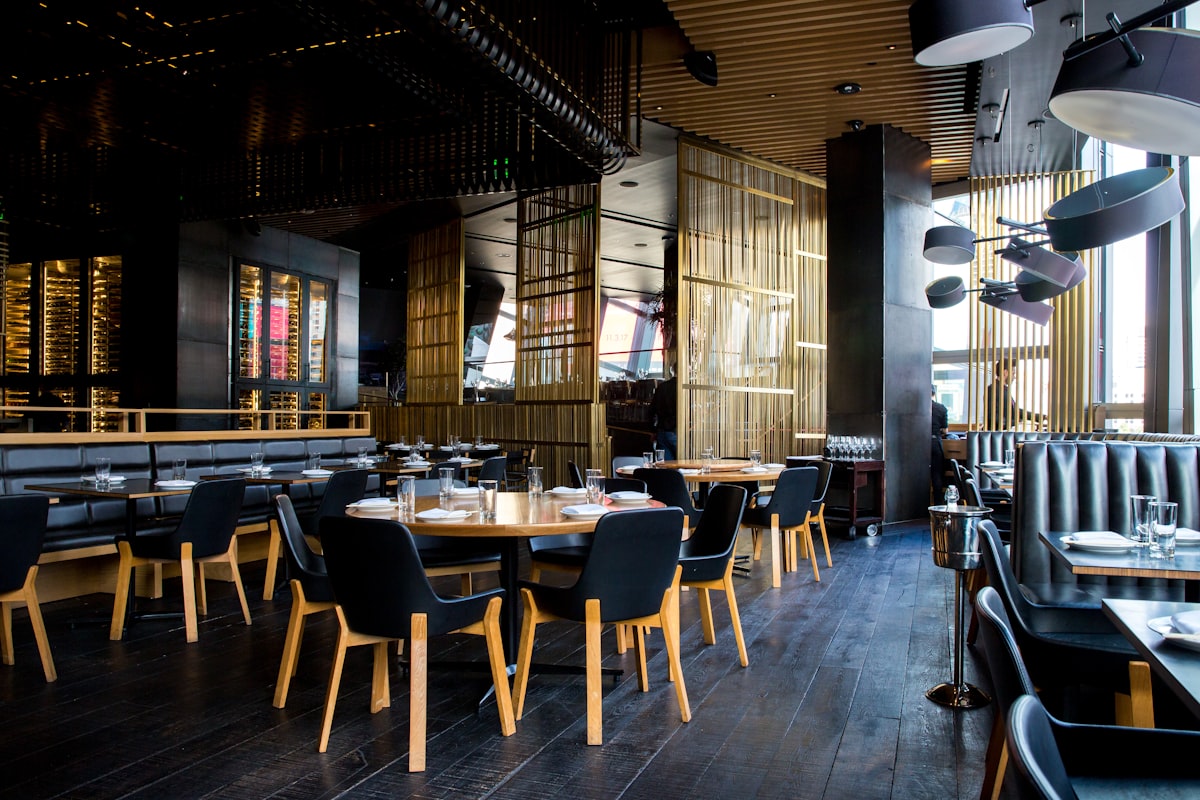 Use loyalty data to drive targeted marketing
Loyalty data powers marketing:
- "You're 20 points away from a reward"
- Birthday rewards
- "We miss you" campaigns for lapsed customers
- New menu item announcements
- VIP-only promotions
Implementation Tips
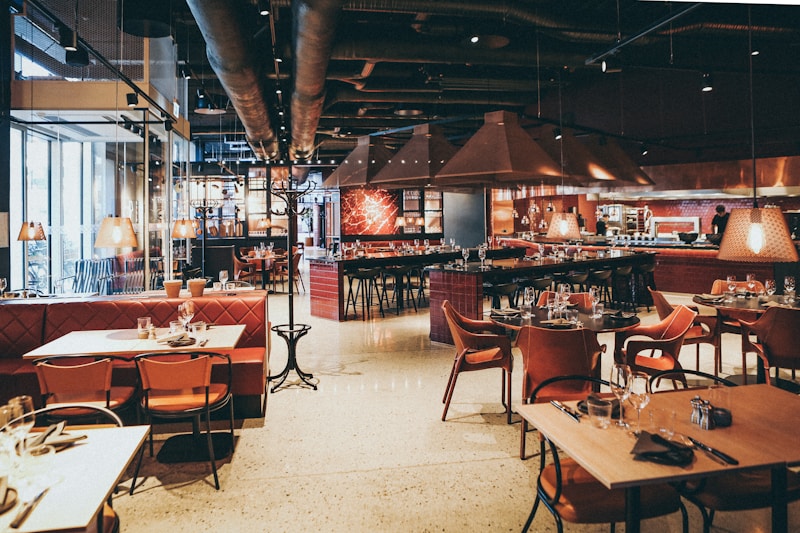 Best practices for launching your program
1. Keep It Simple
Customers won't learn complex rules. One sentence should explain your program.
Good: "Earn 1 point per dollar. 100 points = $10 off."
Bad: "Earn points based on tier status, redeemable for category-specific rewards within 90 days of earning."
2. Train Staff
Staff are your enrollment engine:
- Script for mentioning program
- Know how to enroll customers
- Understand rewards and redemption
- Can troubleshoot common issues
3. Promote Visibly
- Table tents
- Counter signage
- Receipt messaging
- Website/social media
- Order confirmation emails
4. Track Key Metrics
Monitor program health:
- Enrollment rate
- Redemption rate
- Visit frequency (members vs. non-members)
- Average check (members vs. non-members)
- Member lifetime value
5. Iterate Based on Data
Review monthly:
- Are members visiting more often?
- Is average check increasing?
- What rewards are most redeemed?
- What's the cost per redemption?
Common Mistakes
 Pitfalls to avoid with loyalty programs
1. Too Generous at Launch
Starting too generous is hard to walk back. Start conservative and add value over time.
2. No Staff Buy-In
If staff don't mention the program, enrollment will be low. Train and incentivize them.
3. Ignoring the Data
Loyalty programs generate valuable data. Use it for marketing and menu decisions.
4. Making Redemption Difficult
If redeeming rewards is confusing, customers will be frustrated. Make it automatic when possible.
5. Set-and-Forget
Programs need active management. Send campaigns, adjust rewards, engage members.
Alternatives to Traditional Loyalty
 Modern alternatives to traditional programs
QR-Based Loyalty
Fuudey and similar QR solutions can include loyalty features without traditional loyalty software.
Simple Email Collection
Even without a formal program, collecting emails at checkout enables:
- New menu announcements
- Special promotions
- Birthday offers
- Re-engagement campaigns
Social Media Engagement
Build loyalty through community:
- Instagram stories
- User-generated content features
- Social-exclusive offers
Frequently Asked Questions
 Common questions about loyalty programs
How much does a loyalty program cost?
$24-400+/month depending on features and scale. POS-integrated options (Square, Toast) are typically $45-99/month.
Do loyalty programs actually work?
When well-designed and actively managed, yes. Expect 10-20% higher visit frequency from members.
Should I require an app download?
Ideally no. Phone number or email-based enrollment has much higher adoption than app-required programs.
What's a good redemption rate?
20-40% of points earned should be redeemed. Lower suggests rewards aren't appealing; higher suggests you're being too generous.
Can I run loyalty without POS integration?
Yes, with platforms like Stamp Me. But manual tracking adds friction and reduces participation.
Conclusion
A well-designed loyalty program turns occasional visitors into regulars
Loyalty programs work when they're simple, valuable, and actively managed. Match your program structure to your customer behavior, integrate with your POS for seamless operation, and use the data for targeted marketing.
Our recommendations:
- Square users: Square Loyalty (
$45/month) - Toast users: Toast Loyalty (
$50-99/month) - Multi-location: FiveStars (
$200-400/month) - Budget: Stamp Me (
$24-79/month) - Alternative: QR ordering with built-in loyalty
The best loyalty program is one customers actually use. Start simple, measure results, and improve over time.
More Articles
AI-Powered Restaurant Inventory Forecasting: Reduce Waste and Boost Profits
Discover how AI inventory forecasting predicts demand, optimizes orders, and reduces food waste. Machine learning tools for smarter restaurant inventory management.
Appetito Menu Review: Multilingual QR Menus for Restaurants
Complete Appetito Menu review covering multilingual QR menu features, pricing, setup process, and how it compares to Fuudey, Menu Tiger, and alternatives.
Best Free QR Code Menu Generator in 2025 (7+ Reviewed)
We tested 8 free QR code menu generators including Fuudey, QR Menu Creator, Menuu, ScanIt.menu, and more. Full comparison with pricing, features, and honest reviews.